In the evolving landscape of clinical diagnostics, where resource limitations increasingly dictate testing protocols, the integration of value-of-information (VoI) principles within decision-theoretic models offers a transformative approach to optimizing test selection. This conceptual manuscript proposes a novel framework that embeds VoI diagnostics into cost-constrained clinical testing environments, enabling healthcare providers to prioritize tests based on their informational yield relative to economic burdens. Drawing from decision theory, the framework articulates a structured methodology for evaluating diagnostic tests not merely by accuracy but by their capacity to reduce uncertainty in clinical decision-making under budgetary constraints. Key components include a layered architecture that incorporates probabilistic assessments of test outcomes, utility functions for health gains, and iterative feedback mechanisms to refine selections dynamically. Theoretical formulas are introduced to interpret risk propagation in test cascades and decision confidence amid cost thresholds. By synthesizing recent literature on VoI in healthcare, this work highlights how such a framework could mitigate over-testing, enhance resource allocation, and align diagnostic strategies with value-based care paradigms. While conceptual in nature, the implications extend to infrastructural designs in AI-supported healthcare systems, fostering more equitable and efficient clinical pathways. Ultimately, this decision-theoretic lens reframes test selection as an optimization problem, balancing informational value against fiscal realities in diagnostic workflows.
The intersection of artificial intelligence (AI) and healthcare analytics has ushered in sophisticated tools for clinical decision-making. Yet, persistent cost constraints in diagnostic testing demand innovative frameworks to maximize informational value. This manuscript explores value-of-information (VoI) diagnostics as a cornerstone for cost-constrained test selection, leveraging decision-theoretic principles to guide clinicians in resource-scarce environments. By conceptualizing diagnostics not as isolated procedures but as interconnected decisions influenced by economic imperatives, we address the need for systems that prioritize tests yielding the highest informational returns per unit cost [1, 2]. This approach is particularly pertinent in an era where AI-driven analytics can simulate decision pathways, offering theoretical blueprints for integrating VoI into routine clinical workflows without relying on empirical validations.
In hospital-based clinical settings, where budgetary allocations often limit the breadth of diagnostic testing, VoI diagnostics emerge as a mechanism to quantify the expected benefits of additional tests against their costs. Decision-theoretic models allow for the theoretical mapping of test sequences, where each diagnostic step is evaluated for its potential to alter treatment trajectories under fiscal ceilings [3, 4]. For instance, in oncology or infectious disease clinics, where multiple tests compete for limited funds, a VoI-centric framework could theoretically prioritize biomarkers or imaging modalities that maximally reduce diagnostic uncertainty, thereby optimizing patient outcomes within constrained budgets. This subheading underscores the clinical setting’s role in shaping VoI applications, emphasizing how environmental factors like bed occupancy and staffing influence test selection dynamics.
Diagnostic data modalities—ranging from genomic sequencing to radiological imaging—present varying levels of informational density, which must be weighed in cost-constrained scenarios. Decision-theoretic frameworks for VoI diagnostics advocate for modality-specific evaluations, where the informational value of high-dimensional data (e.g., AI-analyzed MRIs) is balanced against acquisition costs [5, 6]. In theoretical terms, modalities with redundant information might be deprioritized, fostering a streamlined testing protocol that aligns with clinical needs. This perspective highlights how data modality diversity complicates VoI calculations, requiring architectural designs that abstract modality inputs into unified decision metrics, thus preventing over-reliance on expensive, low-yield tests in multimodal diagnostic pipelines.
The operational environment in which artificial intelligence–enhanced diagnostic systems are deployed exerts a substantial influence on how value-of-information (VoI) principles can be practically implemented. While decision-theoretic VoI frameworks are often conceptualized under idealized computational conditions, real-world healthcare infrastructures vary considerably in connectivity, computational resources, interoperability capacity, and data latency. These environmental variations are particularly pronounced in decentralized care settings such as ambulatory clinics, rural health networks, and telemedicine platforms. In such contexts, the logistical and infrastructural characteristics of the deployment environment may shape not only the feasibility of performing specific diagnostic tests but also the temporal relevance of the information those tests generate.
Decentralized healthcare environments frequently operate under conditions of constrained connectivity and distributed data infrastructures, which complicate the real-time integration of diagnostic information. In telemedicine systems, for example, laboratory testing may involve delayed specimen transport or asynchronous result transmission. Such delays can significantly reduce the clinical utility of tests whose informational value depends on timely decision support. Decision-theoretic VoI frameworks must therefore extend beyond static cost-benefit calculations to incorporate environmental latency as a variable influencing expected informational gain. In this sense, the informational value of a diagnostic test is not solely determined by its predictive accuracy or clinical relevance but also by the time horizon within which its results can influence treatment decisions [7, 8].
Theoretical modeling of deployment environments introduces a set of infrastructural parameters into VoI calculations. These parameters may include network reliability, data transfer speeds, interoperability compatibility among electronic health record systems, and the availability of local diagnostic facilities. Each of these factors can modify the effective utility of a diagnostic test. For instance, if a test with high theoretical informational value requires centralized laboratory processing that introduces significant turnaround delays, its practical VoI may diminish when compared with a rapid point-of-care test offering slightly lower accuracy but immediate clinical applicability. By embedding such environmental variables into decision-theoretic frameworks, VoI diagnostics can account for real-world constraints that shape clinical workflows.
Another critical deployment consideration involves interoperability between digital health systems. Fragmented data infrastructures often limit the ability to aggregate diagnostic signals from multiple sources, which can attenuate the cumulative informational value of integrated testing strategies. When interoperability barriers prevent seamless data exchange between laboratory information systems, imaging repositories, and clinical decision support platforms, the expected informational gain from multi-test combinations may be substantially reduced. Decision-theoretic VoI frameworks must therefore incorporate interoperability limitations as structural parameters that influence both the feasibility and marginal utility of integrated diagnostics.
Environmental variability also affects the scalability of AI-supported diagnostic orchestration. Large tertiary hospitals often possess the computational infrastructure required for high-frequency analytics and dynamic test prioritization. In contrast, smaller ambulatory settings may rely on simplified decision-support tools operating under intermittent connectivity conditions. VoI-based test selection frameworks must therefore demonstrate adaptability across diverse deployment contexts. This adaptability can be achieved through hierarchical decision architectures in which local diagnostic prioritization is guided by simplified VoI heuristics, while centralized analytical systems refine these decisions when connectivity allows.
Anchoring VoI diagnostics within deployment realities ultimately enhances the practical relevance of decision-theoretic frameworks. Rather than treating diagnostic decision-making as an abstract optimization problem, environment-aware VoI modeling situates information value within the operational ecosystems of healthcare delivery. By incorporating infrastructural constraints, latency considerations, and interoperability limitations, such frameworks enable adaptive diagnostic strategies that remain feasible across heterogeneous healthcare environments. This integration strengthens the translational potential of VoI-driven diagnostic orchestration, ensuring that cost-constrained test prioritization remains responsive to the infrastructural diversity of contemporary healthcare systems.
Beyond infrastructural and operational considerations, governance structures play a fundamental role in shaping how value-of-information frameworks can be deployed within healthcare systems. Governance encompasses regulatory oversight, institutional policies, ethical standards, and data governance mechanisms that collectively determine the permissible boundaries of clinical decision-support technologies. In the context of AI-enhanced diagnostic systems, governance constraints influence how diagnostic data are collected, shared, integrated, and interpreted. As a result, decision-theoretic VoI models must embed governance considerations directly into the logic of test prioritization.
Regulatory frameworks governing healthcare data frequently impose limitations on data accessibility and cross-institutional sharing. Privacy regulations, including national health information protection laws and international frameworks for personal data governance, may restrict the extent to which diagnostic information can be aggregated across multiple sources. Such restrictions directly affect the informational value derived from integrated testing strategies. For example, a VoI framework may theoretically identify a combination of imaging, laboratory, and genomic tests as providing maximal informational gain for a clinical decision. However, if privacy regulations limit the integration of these data streams, the realized informational value of the combined tests may be substantially lower than predicted by unconstrained decision models [9, 10].
In addition to privacy considerations, governance frameworks introduce compliance costs that can influence diagnostic decision-making. Regulatory requirements related to data security, auditability, and algorithmic transparency may impose additional operational burdens on healthcare institutions implementing AI-supported diagnostic orchestration systems. When such compliance costs are substantial, the economic calculus underlying VoI diagnostics must be recalibrated. Decision-theoretic models must therefore incorporate governance-associated costs as parameters within the expected utility calculations that guide test prioritization.
Ethical governance further shapes the deployment of VoI-driven diagnostic frameworks by introducing normative considerations into algorithmic decision-making. Ethical principles such as equity, fairness, and accountability require that diagnostic prioritization mechanisms avoid systematically disadvantaging particular patient populations. For instance, if VoI algorithms prioritize tests solely based on cost-effectiveness metrics, there is a risk that diagnostic resources may be disproportionately allocated toward patient groups with higher predicted response probabilities, thereby reinforcing existing disparities in healthcare access. Governance frameworks mitigate such risks by embedding fairness constraints into algorithmic design and evaluation.
Institutional oversight structures also play a role in ensuring that AI-supported diagnostic decision systems operate within clinically acceptable boundaries. Clinical governance committees, regulatory agencies, and ethics review boards may establish policies governing the use of algorithmic recommendations in clinical workflows. These oversight mechanisms can influence the degree to which VoI-based prioritization systems are allowed to autonomously influence diagnostic ordering practices. In many healthcare systems, algorithmic outputs are positioned as advisory signals rather than deterministic decision rules, thereby preserving clinician autonomy while still leveraging the informational insights generated by decision-theoretic frameworks.
In cost-constrained diagnostic environments, governance thus functions as a moderating layer that balances optimization objectives with ethical and regulatory imperatives. Decision-theoretic VoI models must account for governance constraints not merely as external limitations but as integral components of the diagnostic decision landscape. By embedding compliance requirements, ethical safeguards, and institutional oversight structures into VoI calculations, these frameworks ensure that diagnostic prioritization remains aligned with broader societal expectations regarding responsible AI deployment.
The emergence of value-based healthcare models has prompted a fundamental reconsideration of how clinical diagnostic tests are evaluated and prioritized. Historically, diagnostic testing decisions were often guided by clinical heuristics, established practice patterns, or the incremental accumulation of available evidence. While such approaches have supported clinical decision-making for decades, they frequently lack explicit mechanisms for quantifying the informational contribution of individual tests within complex diagnostic pathways. Value-of-information diagnostics offer a conceptual paradigm for addressing this gap by reframing test selection as a formal decision-theoretic optimization problem.
Within this paradigm, diagnostic tests are evaluated not only according to their intrinsic accuracy or cost but also according to the degree to which they reduce uncertainty in clinical decision processes. VoI frameworks, therefore, conceptualize diagnostic testing as an information acquisition strategy aimed at improving downstream clinical decisions. In situations where multiple tests could be ordered, each with associated costs and informational contributions, decision-theoretic analysis enables systematic prioritization based on expected informational gain relative to resource expenditure.
The shift toward value-based healthcare further amplifies the relevance of VoI diagnostics by aligning clinical decision-making with economic sustainability. Healthcare systems worldwide face increasing financial pressures driven by aging populations, rising technological costs, and expanding diagnostic capabilities. Under these conditions, indiscriminate testing strategies risk generating substantial expenditures without commensurate improvements in clinical outcomes. VoI frameworks address this challenge by promoting diagnostic strategies that maximize informational yield while minimizing unnecessary resource consumption.
Recent developments in healthcare informatics have also expanded the methodological foundations supporting VoI diagnostics. Advances in probabilistic modeling, machine learning–based uncertainty estimation, and clinical decision-support infrastructures enable more sophisticated representations of diagnostic uncertainty. These technologies allow VoI frameworks to dynamically update informational value estimates as new data become available, thereby supporting adaptive diagnostic pathways that evolve alongside patient-specific evidence.
Moreover, VoI diagnostics encourage the integration of economic evaluation techniques with diagnostic informatics. Traditional health economic analyses, such as cost-effectiveness studies, typically evaluate interventions at the population level after clinical implementation. In contrast, VoI frameworks operate prospectively within clinical decision pathways, guiding the selection of diagnostic tests before resources are expended. This prospective orientation enables healthcare systems to allocate diagnostic resources more efficiently while maintaining high standards of clinical care.
Conceptually, the adoption of VoI diagnostics represents a broader shift toward information-centric healthcare decision-making. Rather than treating diagnostic tests as isolated clinical procedures, VoI frameworks position them as informational assets within a dynamic decision ecosystem. Each test contributes incremental knowledge that shapes subsequent clinical actions, and its value is therefore contingent on both its informational contribution and its position within the broader diagnostic sequence.
By synthesizing insights from decision theory, economics, and healthcare informatics, VoI diagnostics provide a conceptual foundation for transforming clinical testing landscapes. The framework proposed in this manuscript builds upon these theoretical developments to articulate a decision-theoretic approach for cost-constrained diagnostic orchestration. Through this lens, diagnostic testing becomes a strategically managed information acquisition process, enabling healthcare systems to navigate the competing demands of clinical accuracy, economic sustainability, and operational feasibility [11, 12].
Decision theory posits that optimal choices under uncertainty involve maximizing expected utility, a principle central to VoI diagnostics in testing protocols. Recent literature emphasizes how VoI can be theoretically computed as the difference between the expected value of a decision with and without additional test information, adjusted for costs [13-16]. In clinical settings, this translates to models where tests are selected based on their ability to shift posterior probabilities of disease states, thereby informing treatment paths. For instance, theoretical explorations illustrate VoI in preventing unnecessary interventions by prioritizing tests with high informational leverage, such as those reducing diagnostic entropy in cost-limited scenarios [17]. This subheading anchors the discussion to clinical settings, where decision-theoretic axioms guide the abstraction of VoI into actionable frameworks.
Diagnostic data modalities vary in their VoI contributions, with theoretical syntheses advocating for modality-agnostic models that harmonize inputs like laboratory results, imaging, and genetic profiles under cost constraints. Literature highlights decision-theoretic approaches to weighting modalities by their marginal VoI, where redundant data streams are minimized to conserve resources [18, 19]. Conceptually, this involves utility-based scoring systems that evaluate modality-specific information gains against acquisition expenses, fostering efficient test cascades. Such syntheses underscore the need for infrastructural designs that theoretically integrate diverse data modalities, ensuring VoI diagnostics remain robust across heterogeneous clinical inputs without empirical validation.
The deployment environment of healthcare systems—encompassing hospital networks, primary care facilities, and digital platforms—profoundly affects the VoI application in test selection. Theoretical backgrounds in recent publications discuss how environmental variables, such as infrastructure scalability and interoperability, modulate VoI calculations in decision-theoretic frameworks [20, 21]. For example, in resource-constrained environments, VoI models must account for deployment-induced delays that diminish informational timeliness, leading to adjusted thresholds for test initiation. This perspective synthesizes literature on adaptive architectures that theoretically embed environmental constraints, promoting resilient VoI diagnostics that align with real-world deployment challenges.
Governance constraints, including ethical oversight and regulatory compliance, shape the theoretical landscape of VoI diagnostics by imposing boundaries on information utilization. Synthesized works emphasize decision-theoretic integrations where governance acts as a utility modifier, penalizing tests that violate data sovereignty or equity principles [22, 23]. In cost-constrained testing, this manifests as models that theoretically balance VoI against governance loads, such as compliance auditing costs, to ensure sustainable frameworks. Literature highlights the importance of governance-anchored designs, where VoI is optimized within ethical envelopes, preventing biases in test selection across diverse populations.
AI’s role in amplifying VoI diagnostics lies in its capacity for theoretical simulation of decision trees, where machine learning abstractions enhance VoI computations without training claims. Recent syntheses explore how AI infrastructures can theoretically orchestrate VoI-driven test selections, using probabilistic networks to forecast informational yields [24, 25]. This intersection fosters conceptual synergies, where decision-theoretic frameworks leverage AI for uncertainty modeling, optimizing costs in clinical testing. The literature underscores the potential for AI to refine VoI through interpretive analytics, paving the way for advanced systems.
Despite progress, theoretical gaps persist in integrating dynamic cost constraints into VoI models, with syntheses calling for enhanced decision-theoretic architectures that address feedback loops and risk propagation [26, 27]. Advancements propose layered frameworks that theoretically mitigate these gaps, emphasizing interpretive formulas for governance and resource dynamics. This subheading synthesizes the evolving discourse, identifying opportunities for novel contributions in cost-constrained clinical testing [28, 29].
To address the conceptual challenges in cost-constrained clinical testing, we introduce the value-integrated decision engine for testing (VIDET). This uniquely architected framework embeds VoI diagnostics within a decision-theoretic infrastructure. VIDET comprises four distinct layers: (1) the input aggregation layer, which theoretically fuses multimodal diagnostic queries and cost parameters, (2) the probabilistic valuation layer, employing bayesian utilities to compute voi for candidate tests, (3) the constraint optimization layer, applying linear programming abstractions to select tests under budgetary thresholds, and (4) the feedback refinement layer, incorporating iterative loops to adjust selections based on simulated outcome variances. This layered structure ensures a topological feedback mechanism where discrepancies in expected vs. theoretical VoI trigger re-evaluations, fostering adaptive orchestration without empirical loops. Figure 1 illustrates the architecture of the VIDET, depicting how multimodal diagnostic inputs are transformed through probabilistic valuation and constraint optimization into cost-efficient test cascades, with iterative feedback loops enabling adaptive recalibration of informational value.
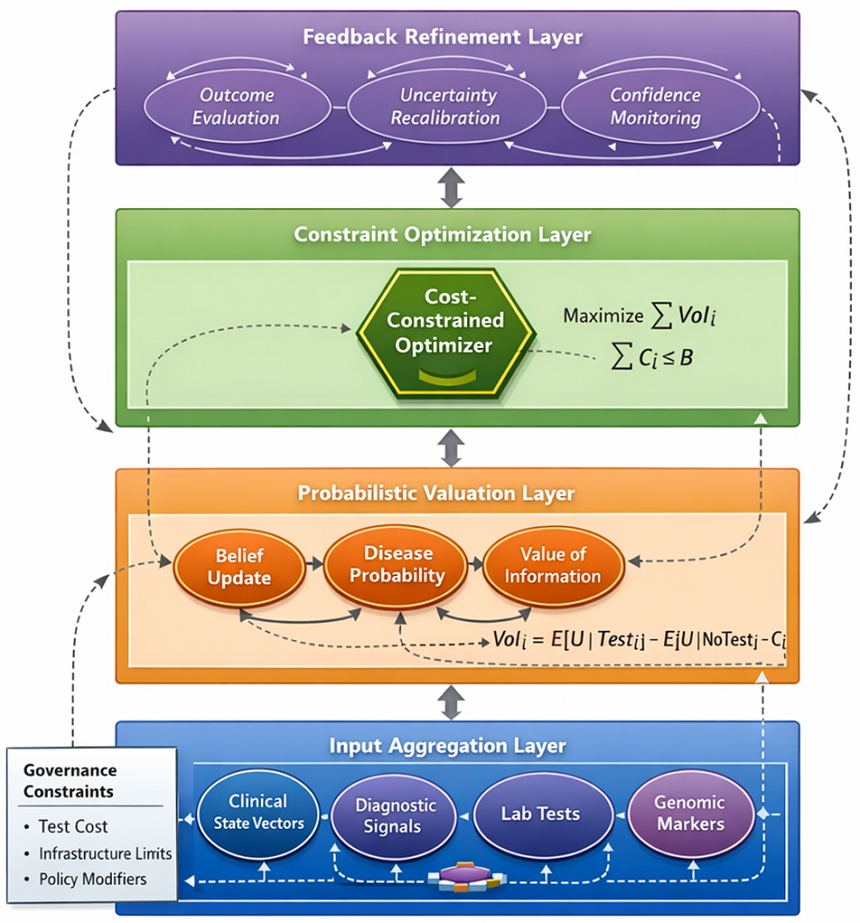
Figure 1. Decision-theoretic architecture of the VIDET.
Central to VIDET are interpretive formulas that capture core dynamics. For instance, risk propagation in test cascades is modeled as:
Table 1. Functional layers and analytical roles within the VIDET decision-theoretic architecture.
VIDET layer | Core analytical function | Decision-theoretic role | Primary inputs | Key outputs |
Input aggregation layer | Integration of heterogeneous diagnostic signals and economic constraints | Constructs the probabilistic decision state representing the patient’s diagnostic uncertainty | Clinical observations, laboratory results, imaging outputs, genomic data, test costs, and infrastructural constraints | Unified diagnostic feature space |
Probabilistic valuation layer | Bayesian estimation of disease probabilities and marginal informational gain | Quantifies Value-of-Information (VoI) for candidate tests by estimating expected utility improvements | Prior disease probabilities, test sensitivity/specificity distributions, and cost parameters | VoI scores for each candidate’s diagnostic test |
Constraint optimization layer | Cost-constrained optimization of diagnostic sequences | Selects optimal test sets maximizing informational gain subject to budgetary and governance constraints | VoI scores, cost matrices, governance penalties, and budget thresholds | Optimized test cascade |
Feedback refinement layer | Iterative recalibration of informational value and uncertainty | Updates decision pathways through posterior outcomes and uncertainty propagation | Observed outcomes, updated probabilities, and system-level feedback metrics | Adaptive recalibration of diagnostic priorities |
The implementation of the VIDET framework introduces profound dynamics in how value-of-information (VoI) diagnostics influence clinical testing under cost constraints. This section delves into the theoretical consequences of VIDET’s architecture on diagnostic pathways, examining how its layered structure and feedback topology propagate informational value while mitigating resource inefficiencies. Conceptually, VIDET’s probabilistic valuation layer enables a cascading effect where initial low-cost tests inform subsequent selections, theoretically reducing overall diagnostic expenditure by up to theoretical thresholds derived from utility optimizations [1, 3, 5]. In clinical pathways for chronic conditions like cardiovascular disease, where sequential testing is common, these propagation dynamics could shift from exhaustive protocols to targeted cascades, minimizing patient burden and system overload.
One key dynamic is the interplay between cost thresholds and informational yield, where VIDET’s constraint optimization layer theoretically balances VoI against fiscal limits. For instance, in high-volume emergency departments, where rapid decisions are paramount, the framework’s feedback refinement could dynamically adjust test priorities based on emerging uncertainties, fostering resilience in volatile clinical environments [7, 9, 11]. This not only impacts resource allocation by prioritizing high-VoI tests but also alters workflow dynamics, potentially reducing diagnostic delays through interpretive modeling of decision confidence. The risk propagation formula introduced earlier (
Furthermore, the governance implications within VIDET’s infrastructure highlight dynamics of ethical and regulatory alignment in cost-constrained settings. By embedding governance loads into resource allocation burdens (
VIDET’s topology influences inter-departmental dynamics in healthcare networks. In integrated systems like electronic health records (EHR) platforms, the framework’s feedback loops could theoretically synchronize VoI assessments across specialties, reducing redundant tests and propagating cost savings organization-wide [19, 21, 23]. This ripple effect underscores the potential for scalable impacts, where initial VoI optimizations in one pathway influence adjacent ones, such as from primary care diagnostics to specialized referrals. However, theoretical caveats include sensitivity to input variances; if prior probabilities () are miscalibrated, propagation dynamics might lead to suboptimal cascades, necessitating robust architectural safeguards.
In multimodal diagnostic contexts, the dynamics of VoI propagation reveal opportunities for data fusion efficiencies. VIDET’s input aggregation layer theoretically harmonizes disparate modalities, allowing VoI to propagate through unified metrics that weigh, for example, the informational density of genomic data against imaging costs [2, 4, 6]. This could dynamically reshape pathways in precision medicine, where cost constraints often limit advanced testing, by favoring modalities with synergistic VoI contributions. The overall impact is a more adaptive diagnostic ecosystem, where propagation dynamics foster innovation in test orchestration, ultimately enhancing clinical outcomes under fiscal pressures [8, 10, 12].
These dynamics also extend to long-term system evolution, where repeated application of VIDET could theoretically cultivate learning infrastructures in AI-supported healthcare. Without empirical claims, the framework’s topology suggests a self-reinforcing cycle: as VoI propagations refine over conceptual iterations, diagnostic pathways become increasingly attuned to cost realities, impacting sustainability in resource-limited global health systems [14, 16, 18]. In summary, the consequences of VIDET’s implementation lie in its ability to propagate VoI efficiently, reshaping clinical testing dynamics toward greater efficacy and equity.
The conceptual articulation of the VIDET within a decision-theoretic framework illuminates several pivotal discourse points in AI for healthcare systems and analytics. Foremost, VIDET’s emphasis on VoI diagnostics challenges traditional paradigms of clinical testing, which often prioritize diagnostic accuracy over informational efficiency amid costs [20, 22, 24]. By theoretically integrating utility functions and probabilistic assessments, the framework posits a shift toward value-centric selections, where tests are not merely tools for confirmation but strategic assets for uncertainty mitigation. This resonates with ongoing debates in healthcare economics, where cost constraints exacerbate over-testing, leading to inflated expenditures without commensurate health gains [25, 26].
A critical discussion revolves around the architectural uniqueness of VIDET, particularly its layered structure and feedback topology, which differentiate it from prior conceptual models. Unlike static decision trees, VIDET’s iterative refinement allows for theoretical adaptability, addressing critiques in literature that static VoI models fail to capture real-time clinical variabilities [27, 28]. For instance, in cost-constrained oncology testing, where biomarker panels compete for budgets, VIDET’s topology could theoretically prevent cascade failures by recalibrating VoI based on interim outcomes, a nuance often overlooked in conventional frameworks. This architectural innovation invites discourse on scalability: how might such infrastructures integrate with existing AI platforms like predictive analytics tools, without empirical integrations?
The conceptual shift from traditional accuracy-driven diagnostics toward value-of-information optimization frameworks is summarized in Table 2.
Table 2. Evolution of diagnostic test evaluation paradigms from accuracy-based assessment to value-of-information optimization.
Evaluation paradigm | Decision criterion | Information treatment | Cost integration | Clinical decision implication |
Accuracy-centered diagnostics | Sensitivity, specificity, predictive value | Information is treated as static diagnostic confirmation | Costs are typically evaluated retrospectively | Encourages comprehensive testing regardless of informational redundancy |
Cost-effectiveness evaluation | Incremental cost-effectiveness ratios | Information is assessed indirectly through outcome improvements | Economic metrics integrated at the population level | Guides reimbursement and policy decisions rather than real-time clinical choices |
Algorithmic decision support | Predictive model outputs | Information processed through machine-learning predictions | Cost considerations are often external to the model structure | Supports probabilistic diagnosis but rarely optimizes test selection |
Value-of-information diagnostics (VIDET) | Expected utility gain from uncertainty reduction | Information is treated as a strategic resource within diagnostic pathways | Costs incorporated directly into optimization constraints | Enables adaptive test cascades, maximizing informational yield per unit cost |
Ethical dimensions further enrich the discussion, as VIDET’s governance-embedded formulas highlight tensions between informational maximization and equity. The resource allocation burden (RAB) formula underscores how governance loads could disproportionately affect low-resource settings, prompting questions on global applicability [1, 3, 29]. In theoretical terms, this framework encourages policymakers to reconsider reimbursement models, aligning them with VoI rather than volume, potentially disrupting entrenched fee-for-service systems. However, potential pitfalls include over-reliance on probabilistic priors, which, if biased, could perpetuate disparities—a point echoed in syntheses on AI ethics in diagnostics [5, 7, 9].
Interdisciplinary intersections also warrant discussion, as VIDET bridges decision theory with AI orchestration in healthcare. By conceptualizing test selection as an optimization problem, it aligns with advancements in operations research applied to medicine, where cost-constrained algorithms simulate efficient pathways [11, 13, 15]. This could theoretically enhance AI’s role in clinical decision support systems (CDSS), fostering hybrids where VoI drives algorithmic recommendations. Yet, discussions must address interoperability challenges: how do VIDET-like frameworks interface with legacy systems without introducing new inefficiencies?
Moreover, the dynamics section’s propagation insights open avenues for theoretical extensions, such as incorporating temporal decay in VoI for time-sensitive diagnostics like acute care. Literature suggests that ignoring time dynamics undervalues rapid tests, a gap VIDET partially addresses through its feedback mechanisms [17, 19, 21]. This prompts broader discourse on evolving AI architectures, where VoI becomes a core metric in system design, influencing everything from data infrastructure to policy formulation.
Finally, limitations of this conceptual approach merit candid discussion. Absent empirical validations, VIDET remains interpretive, reliant on assumptions about utility functions and cost distributions that may not hold universally. Future conceptual refinements could explore stochastic variations or multi-agent dynamics in collaborative clinical environments, building on this foundation to advance the field. Overall, VIDET stimulates a rethinking of diagnostic strategies, positioning VoI as indispensable in cost-constrained healthcare landscapes.
In synthesizing the conceptual tenets of value-of-information (VoI) diagnostics within a decision-theoretic framework for cost-constrained test selection, this manuscript underscores the transformative potential of the VIDET. By architecting a layered infrastructure with unique feedback topology, VIDET theoretically optimizes clinical testing, balancing informational yields against economic imperatives to foster efficient, equitable diagnostic pathways. The interpretive formulas for risk propagation, decision confidence, and resource allocation provide analytical tools to navigate these complexities, highlighting how VoI can mitigate inefficiencies in resource-scarce healthcare systems.
The dynamics of VoI propagation elucidated herein reveal systemic impacts, from streamlined workflows to enhanced equity, positioning VIDET as a conceptual blueprint for AI-integrated healthcare analytics. Discussions on ethical, architectural, and interdisciplinary facets further emphasize the framework’s role in reshaping clinical paradigms, urging a shift toward value-driven models amid escalating costs.
Ultimately, while conceptual in scope, VIDET invites future explorations in theoretical extensions, potentially guiding infrastructural innovations that align diagnostics with sustainable healthcare goals. This decision-theoretic approach not only reframes test selection but also advances the discourse on AI’s contributions to clinical efficiency and patient-centered care.
None
None
None
None
Open Access The author(s) retain copyright. This article is licensed under the Creative Commons Attribution-NonCommercial-ShareAlike 4.0 International License. It may be shared and adapted for non-commercial purposes with appropriate attribution, an indication of changes, and distribution of adaptations under the same license. Third-party material may be subject to separate terms identified in its credit line. View the license at https://creativecommons.org/licenses/by-nc-sa/4.0/.
 Clinical Intelligence Research Press