Hospital operations face escalating demands for efficient resource allocation amid fluctuating patient volumes, staff shortages, and constrained budgets. This conceptual manuscript introduces the predictive resource allocation governance scaffold (PRAGS), a theoretical architecture designed to integrate artificial intelligence (AI) driven predictive analytics into hospital governance frameworks. PRAGS emphasizes proactive resource orchestration through layered intelligence modules, interoperability protocols, and continuous monitoring loops to mitigate operational inefficiencies. Drawing on clinical AI architectures and healthcare analytics infrastructures, the scaffold outlines a multi-tiered system comprising predictive engines, governance oversight layers, and adaptive feedback topologies. Key components include decision-support pipelines that forecast resource needs, EHR-intelligence ecosystems for data harmonization, and interoperability frameworks that ensure seamless integration across hospital departments. The architecture addresses governance challenges such as ethical AI deployment, bias mitigation, and regulatory compliance without empirical validation. By using interpretive formulas to model resource allocation dynamics, decision latency, and governance load, PRAGS provides a blueprint for enhancing hospital resilience. This work synthesizes recent literature on AI governance and clinical workflows and proposes a scaffold that fosters equitable resource distribution while prioritizing patient safety and operational sustainability. Ultimately, PRAGS offers a conceptual pathway for hospitals to transition toward intelligent, governed resource management systems.
Hospitals represent some of the most complex socio-technical systems in modern society, where clinical urgency, infrastructural capacity, regulatory oversight, and financial constraints intersect in real time. Resource allocation within these environments is not merely an administrative exercise; it is a determinant of patient safety, equity of access, workforce sustainability, and institutional resilience. Decisions regarding bed assignment, staffing ratios, operating room availability, ventilator deployment, medication stockpiles, and diagnostic capacity unfold under conditions of uncertainty and time pressure. Even minor misalignments between anticipated demand and available resources can cascade into systemic strain—manifesting as emergency department boarding, elective surgery cancellations, clinician burnout, and avoidable morbidity.
The integration of predictive artificial intelligence (AI) systems into hospital operations has emerged as a promising avenue to mitigate such misalignments. By leveraging longitudinal electronic health record (EHR) data, admission patterns, seasonal epidemiological trends, and operational logs, predictive models can theoretically forecast bed occupancy, staffing requirements, and supply utilization with fine-grained temporal resolution. Rather than reacting to bottlenecks once they materialize, hospital leadership could anticipate demand surges and proactively reconfigure workflows. However, the transformative potential of predictive allocation is inseparable from its governance implications. Without robust governance scaffolds, predictive systems risk entrenching historical inequities embedded in training data, amplifying allocation disparities, or generating opaque decision pathways that erode clinician trust.
This manuscript conceptualizes a governance scaffold specifically tailored to predictive resource allocation in hospital operations. Unlike empirical performance studies focused on model accuracy, this work emphasizes architectural integrity—how predictive intelligence is embedded, monitored, constrained, and aligned within institutional oversight frameworks. The scaffold is not presented as a deployed solution but as a theoretical infrastructure designed to reconcile predictive optimization with ethical accountability, clinical autonomy, and regulatory compliance. By situating predictive AI within a layered governance architecture, we argue that operational intelligence can be transformed from a reactive instrument into a structured, auditable, and adaptive coordination mechanism.
Acute care settings epitomize operational volatility. Emergency departments and intensive care units experience fluctuating inflows driven by trauma events, infectious disease outbreaks, seasonal epidemics, demographic shifts, and even weather patterns. These fluctuations produce nonlinear demand curves for beds, personnel, and equipment. Traditional manual forecasting—often reliant on static spreadsheets, managerial intuition, or short-term trend extrapolation—struggles to capture this dynamism. Consequently, hospitals frequently encounter resource bottlenecks in which overutilization in one department propagates strain across adjacent units, leading to boarding delays and deferred care [1, 2].
Predictive models offer a theoretical alternative by integrating historical EHR data, admission timestamps, discharge trajectories, diagnostic categories, and operational throughput metrics to estimate future occupancy and staffing requirements. Temporal modeling approaches can project peak loads hours or days in advance, enabling administrators to mobilize surge protocols or preemptively redistribute personnel. In principle, such predictive systems shift operational posture from reactive crisis management to anticipatory coordination.
Yet forecasting in healthcare cannot be decoupled from governance. Predictions that optimize aggregate efficiency may conflict with patient-centered priorities or clinical discretion. For instance, an AI-driven allocation engine might recommend prioritizing shorter-stay cases to maximize throughput, inadvertently disadvantaging patients with complex comorbidities. Without structured oversight, predictive outputs could override nuanced clinical judgment or marginalize ethical considerations. Therefore, governance must function as a counterbalancing mechanism—ensuring that predictive recommendations are contextualized, explainable, and subordinate to established care standards [3, 4].
The governance scaffold proposed here anchors resource forecasting to real-time clinical data streams while embedding oversight checkpoints at critical decision nodes. Rather than allowing predictions to operate as autonomous directives, the scaffold conceptualizes them as advisory signals mediated through policy constraints, human validation loops, and audit trails. This layered alignment preserves operational agility while safeguarding institutional accountability.
Hospital data ecosystems are inherently heterogeneous. Structured EHR entries encode laboratory results, medication orders, and demographic attributes. Unstructured clinical narratives capture contextual subtleties, such as social determinants of health or evolving symptom descriptions. Administrative logs record admission times, discharge delays, and bed turnover intervals. Real-time sensor feeds from monitoring devices stream physiologic parameters at high frequency. Integrating these modalities into a unified predictive allocation engine demands sophisticated analytics infrastructures capable of harmonizing semantic, temporal, and structural discrepancies [5, 6].
Data silos pose a significant barrier. Fragmented vendor platforms and inconsistent data standards impede seamless exchange, undermining the coherence of predictive models. The literature on healthcare intelligence ecosystems emphasizes the need for multimodal harmonization—combining clinical indicators with operational metadata to accurately forecast resource bottlenecks [7]. For example, predicting intensive care occupancy may require synthesizing vital sign trajectories, surgical schedules, infection control alerts, and discharge planning notes. Absent integration, forecasts risk partial visibility, thereby reducing reliability.
Governance within this modality landscape operates along multiple axes. First, interoperability standards must be enforced to ensure consistent data semantics across departments and institutions. Second, privacy safeguards must align with regulatory frameworks such as the Health Insurance Portability and Accountability Act (HIPAA), which constrain secondary data use and safeguard identifiable information [8, 9]. Third, bias mitigation mechanisms must interrogate whether certain modalities—such as historical admission patterns—encode systemic inequities that distort allocation priorities.
The proposed scaffold introduces modality-specific governance layers that standardize ingestion protocols, monitor data lineage, and implement differential privacy or access controls where necessary. By formalizing these controls, predictive allocation engines can operate within defined ethical and regulatory envelopes, enhancing trustworthiness and institutional legitimacy.
Hospital infrastructures vary widely. Large academic medical centers often maintain centralized data warehouses, advanced informatics teams, and integrated clinical decision support systems. In contrast, community hospitals or rural facilities may rely on distributed platforms with limited computational resources and fragmented vendor ecosystems. These disparities shape the feasibility and performance of predictive allocation systems.
Clinical workflow integration models must therefore account for environmental heterogeneity. Predictive tools cannot be layered onto operations as isolated dashboards; they must be embedded within existing decision support pipelines, interfacing with scheduling systems, bed management software, and staffing coordination modules [10, 11]. In resource-scarce environments, latency becomes a critical constraint. Predictions must be generated and delivered in near real time to avoid delaying urgent allocations [12]. Simultaneously, governance mechanisms must remain lightweight enough not to introduce procedural bottlenecks.
Interoperability emerges as a foundational requirement. Data exchange across vendor-specific platforms requires adherence to standards such as those promulgated by Health Level Seven International, including the HL7 FHIR framework, which facilitates the structured transmission of data across heterogeneous systems [13]. Embedding predictive intelligence within such interoperable architectures ensures scalability and cross-institutional adaptability.
The conceptual governance scaffold addresses deployment variability through modular design. Core predictive engines are encapsulated within adaptive interfaces that accommodate diverse infrastructural capacities. Oversight modules scale according to institutional complexity, from minimal audit logs in smaller facilities to comprehensive governance dashboards in tertiary centers. By decoupling predictive intelligence from rigid infrastructural assumptions, the scaffold promotes equitable resource governance across hospital scales.
Governance constraints constitute the ethical and operational backbone of predictive resource allocation systems, ensuring that algorithmic optimization does not supersede principles of equity, accountability, and clinical prudence. In hospital environments—where allocation decisions influence not only operational throughput but also patient survival trajectories—predictive systems must be rigorously overseen. Ethical governance becomes particularly critical when predictive models ingest demographic, socioeconomic, or geospatial variables that may inadvertently encode structural inequities. Without safeguards, allocation engines could produce biased staffing distributions, differential bed prioritization, or unequal equipment deployment patterns that disproportionately affect vulnerable populations [14, 15].
Bias in predictive allocation does not always manifest overtly; it may arise subtly through proxy variables embedded within historical datasets. For example, prior staffing allocations shaped by institutional resource constraints may be misinterpreted by predictive models as optimal baselines rather than historically contingent compromises. Governance scaffolds must therefore incorporate algorithmic bias surveillance layers capable of auditing allocation outputs across demographic and clinical strata. Such monitoring ensures that efficiency gains do not come at the expense of distributive justice.
A further governance imperative lies in managing model drift—the phenomenon whereby predictive performance degrades as operational conditions evolve. Hospitals are dynamic ecosystems influenced by policy changes, emerging diseases, staffing turnover, infrastructure expansions, and technological upgrades. Predictive models trained on historical states may gradually lose calibration, leading to allocation forecasts that are misaligned with current realities [16]. Drift detection mechanisms must therefore be embedded within governance architectures, continuously benchmarking predictive outputs against real-world utilization patterns.
Addressing drift is not purely a technical recalibration exercise; it is a governance function requiring structured validation protocols, retraining oversight, and performance auditing. The scaffold conceptualized in this manuscript embeds cyclical validation loops wherein predictive recommendations are periodically reviewed by interdisciplinary oversight committees comprising clinicians, operational leaders, and data scientists. These accountability loops ensure that recalibration decisions remain transparent, documented, and aligned with institutional policy envelopes.
Human oversight remains indispensable, particularly in high-stakes allocation scenarios such as intensive care triage, ventilator assignment, or emergency surge redistribution. Predictive intelligence may surface probabilistic recommendations, but governance scaffolds must delineate escalation hierarchies specifying when algorithmic outputs require manual validation [17, 18]. By embedding human-in-the-loop checkpoints, the scaffold preserves clinical agency while leveraging computational foresight.
By synthesizing ethical surveillance, drift monitoring, and accountability loops, the governance scaffold emerges as a mediating infrastructure that balances technological potential with institutional responsibility. Rather than constraining predictive systems, governance operates as an enabling architecture that legitimizes their integration within clinical operations.
Predictive resource allocation cannot achieve systemic impact if confined to isolated operational silos. Hospitals function as interdependent networks in which bed management, staffing coordination, surgical scheduling, supply chain logistics, and diagnostic services operate in continuous interplay. Achieving hospital-wide allocation intelligence, therefore, requires interoperability frameworks that synchronize data flows and predictive signals across heterogeneous systems [19, 20].
Disparate digital infrastructures present a significant barrier. Electronic health records, workforce management platforms, pharmacy inventories, radiology scheduling tools, and enterprise resource planning systems often operate on vendor-specific architectures with limited cross-communication. In the absence of interoperability, predictive analytics remain fragmented—producing localized forecasts that fail to account for downstream operational dependencies [21]. For instance, predicting surgical demand without integrating post-operative bed availability or staffing constraints could exacerbate rather than alleviate bottlenecks.
The governance scaffold proposed here conceptualizes interoperability as both a technical and regulatory construct. Standardized data exchange protocols form the technical substrate, enabling real-time synchronization of operational indicators. However, governance overlays are equally necessary to regulate data access permissions, maintain auditability, and ensure compliance with privacy mandates. Interoperability without governance risks uncontrolled data proliferation; governance without interoperability risks informational isolation.
To reconcile these tensions, the scaffold incorporates federated intelligence paradigms. Drawing on federated learning literature, predictive models can be trained across distributed hospital nodes without centralizing sensitive patient data [22]. Parameter updates—rather than raw datasets—are exchanged across institutional boundaries, preserving data locality while enabling collective intelligence. Such architectures are particularly relevant for multi-hospital systems, regional care networks, or public health collaboratives seeking to coordinate resource allocation during crises.
Federated interoperability also enhances governance scalability. Local institutions retain sovereignty over data stewardship while participating in shared predictive ecosystems. Governance policies can thus be enforced at both local and network levels, enabling layered accountability. This dual structure ensures that predictive allocation signals propagate system-wide without eroding institutional autonomy.
The theoretical foundations of predictive resource allocation in hospitals draw from advancements in clinical AI system architectures and healthcare analytics infrastructures. These elements form the bedrock for conceptualizing governance scaffolds that intelligently orchestrate resources. Recent literature underscores a shift from reactive to predictive paradigms, in which AI enhances decision-making without supplanting human expertise [1, 2]. This synthesis integrates key publications from 2017–2022, focusing on EHR intelligence ecosystems, decision support pipelines, AI governance systems, interoperability frameworks, and clinical workflow integration models.
Clinical AI architectures have evolved to support predictive functionalities in hospital settings. For instance, scalable deep learning models applied to EHRs enable accurate forecasting of patient deterioration, which, in turn, informs resource needs such as ICU bed allocation [3]. Such architectures emphasize modular designs that separate prediction engines from governance layers, allowing for independent updates and monitoring [4]. In parallel, healthcare analytics infrastructures provide the computational backbone, integrating big data techniques to process vast hospital datasets [5]. These infrastructures highlight the importance of real-time analytics for resource optimization and of theoretical models that simulate flow dynamics without empirical testing [6].
EHR intelligence ecosystems represent a critical intersection, where structured and unstructured data converge to fuel predictive governance. The literature describes ecosystems that embed AI into EHR platforms, facilitating intelligent querying and pattern recognition for resource planning [7, 8]. For example, automated identification systems for at-risk patients can, in theory, trigger preemptive resource reallocations, governed by ethical protocols to ensure fairness [9, 10]. Bias dissection in these ecosystems reveals how algorithmic decisions may perpetuate disparities in resource distribution, necessitating governance mechanisms such as fairness audits [11].
Decision support pipelines further refine predictive allocation by channeling AI outputs into clinical workflows. These pipelines are conceptualized as multi-stage processes: data ingestion, predictive modeling, and governed output dissemination [12, 13]. Key challenges include explainability, where opaque AI decisions hinder trust in resource recommendations [14]. Theoretical frameworks advocate hybrid human-AI pipelines, in which governance ensures that predictive insights augment rather than automate allocation [15, 16].
AI governance, monitoring, and deployment systems are pivotal for sustainable implementation. Governance models outline hierarchical structures for AI applications in healthcare, including oversight for predictive tools [17]. Monitoring systems detect deviations in predictive performance, such as drift in resource forecasting models due to changing hospital demographics [18]. Deployment considerations emphasize safety, with roadmaps for responsible machine learning that integrate governance from inception [4, 19]. Ethical challenges, including liability and bias, are addressed through conceptual hierarchies that prioritize patient-centered governance [20-22].
Interoperability and data exchange frameworks enable the scaffold’s hospital-wide applicability. Standardized frameworks like FHIR facilitate seamless integration across systems, essential for predictive resource governance [23]. Literature on federated architectures proposes decentralized data sharing to enhance privacy while supporting collective predictive analytics [24]. These frameworks mitigate silos, allowing governance to span departments [25].
Clinical workflow integration models tie these elements together, embedding predictive governance within daily operations. Models describe topologies in which AI scaffolds the interface with workflows, reducing cognitive load through guided decision aids [26]. For resource allocation, this involves theoretical mappings of workflow shifts, where predictive alerts streamline staffing and equipment deployment [27]. Synthesis reveals gaps in current literature, such as under-explored governance for dynamic hospital environments, which the proposed scaffold addresses through adaptive architectures [28].
Overall, this synthesis positions predictive resource allocation as a governed intelligence domain, ripe for conceptual scaffolding that harmonizes AI potential with operational realities.
The orchestration infrastructure for predictive resource allocation governance delineates the Predictive Resource Allocation Governance Scaffold (PRAGS), a novel conceptual architecture tailored to hospital operations. PRAGS comprises a four-layered structure: the predictive engine layer, the governance oversight layer, the interoperability integration layer, and the adaptive feedback topology. This design ensures theoretical alignment between AI-driven predictions and governed resource orchestration, mitigating risks such as overallocation or ethical lapses.
The predictive engine layer serves as the foundational tier, housing analytics modules that forecast resource demand using multimodal hospital data. It conceptualizes resource needs as a function of patient influx variables, staff availability, and equipment utilization.
The governance oversight layer superimposes ethical and regulatory controls, monitoring for bias and compliance. It introduces interpretive governance load as
The interoperability integration layer facilitates data exchange across hospital silos, employing standardized protocols to harmonize EHR and administrative feeds.
The adaptive feedback topology closes the loop with bidirectional channels, allowing real-time adjustments. Resource allocation dynamics are modeled as
Decision confidence within PRAGS is expressed as
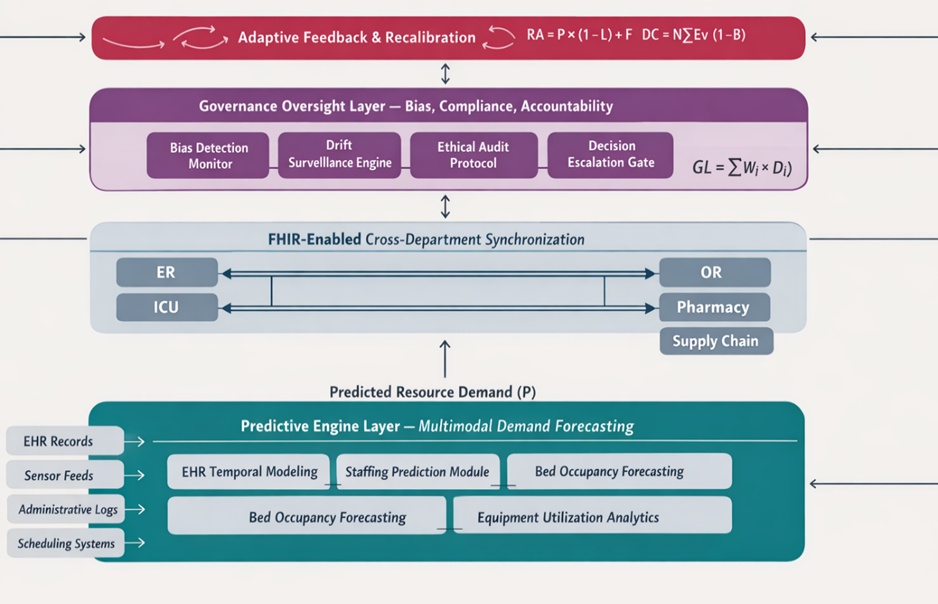
Figure 1. Layered architecture of the PRAGS.
The PRAGS framework comprises four vertically integrated layers: a predictive engine layer that generates multimodal resource forecasts; a governance oversight layer that enforces bias monitoring and compliance; an interoperability integration layer that synchronizes departmental systems; and an adaptive feedback topology that enables continuous recalibration. Interpretive formulas model governance load (GL), resource allocation dynamics (RA), and decision confidence (DC). The architecture conceptualizes predictive allocation as a governed, auditable, and adaptive orchestration system.
This infrastructure provides a conceptual blueprint for hospitals to orchestrate resources predictively under governance constraints.
The deployment of the PRAGS in hospital operations introduces a range of governance dependencies and operational dynamics that merit detailed theoretical exploration. This section delves into the multifaceted impacts of PRAGS, examining how its layered architecture influences resource flows, decision-making processes, and systemic resilience. By analyzing these dynamics through conceptual lenses, we uncover potential shifts in hospital ecosystems, including risk propagation mechanisms, human-AI interaction patterns, and infrastructure sensitivities. These insights are derived from synthesizing governance principles with predictive analytics frameworks, highlighting theoretical pathways for optimization [1-3].
Central to PRAGS’s operational dynamics is the governance dependency on data quality and interoperability. In hospital settings, where data streams from EHRs, patient monitoring devices, and administrative systems converge, dependencies arise from the need for seamless harmonization. Poor interoperability could, in theory, amplify resource misallocation risks, such as underestimating bed needs during peak hours due to delayed data feeds [5, 6]. The scaffold’s Interoperability Integration Layer mitigates this by enforcing standardized exchange protocols, but this introduces sensitivities to vendor-specific variations. For instance, in a multi-vendor environment, governance must account for protocol mismatches, potentially increasing the monitoring burden as captured in the interpretive formula for governance load (GL). Expanding on this, if additional factors like regulatory updates are incorporated, GL could evolve to
Another key dynamic is the propagation of risks across hospital departments. Predictive engines within PRAGS forecast resource demands, but unchecked biases in these predictions—stemming from training on historical data skewed by socioeconomic factors—could propagate inequities, such as prioritizing resources for certain patient demographics [10, 11]. Theoretical risk propagation can be modeled as
Human-AI workflow shifts represent a profound operational impact of PRAGS. Traditional hospital workflows rely on clinician intuition for resource decisions, but PRAGS embeds AI-driven insights, redistributing cognitive load. Clinicians might experience reduced burden in routine forecasting, allowing focus on complex cases, yet this shift depends on trust in the scaffold’s decision confidence (DC) metric [15, 16]. If DC falls below thresholds due to opaque predictions, adoption dynamics could falter, leading to hybrid workflows in which AI suggestions are overridden, thereby diminishing efficiency gains [17]. Theoretically, this redistribution can be quantified as cognitive load shift
Infrastructure sensitivities further shape PRAGS dynamics, particularly in resource-constrained hospitals. The scaffold’s reliance on robust analytics infrastructure means that computational limitations could make the system more prone to failures, such as during power outages or cyber threats [21, 22]. Operational consequences include potential drift in predictive accuracy over time, where evolving hospital patterns (e.g., post-pandemic shifts) erode model relevance. Monitoring for drift sensitivity, modeled as
Moreover, PRAGS influences broader operational resilience by enabling adaptive responses to disruptions. In theoretical scenarios like supply chain interruptions, the Adaptive Feedback Topology facilitates real-time reallocations, but this depends on governance protocols that ensure ethical prioritization—e.g., favoring critical care over elective procedures [26, 27]. Dynamics here involve trade-offs between agility and compliance, where excessive governance could stifle responsiveness. Expanding this, resource allocation efficiency might be interpreted through an extended formula
Overall, these governance dependencies and operational dynamics position PRAGS as a transformative yet nuanced scaffold. By addressing risk propagation, workflow shifts, and sensitivities theoretically, hospitals can anticipate impacts, fostering sustainable integration. This analysis provides a foundation for refining PRAGS in diverse operational contexts, emphasizing proactive governance to maximize positive dynamics while minimizing vulnerabilities.
The conceptualization of PRAGS as a governance scaffold for predictive resource allocation in hospital operations opens avenues for theoretical discourse on AI’s role in healthcare systems. Building on the architectural design and operational dynamics, this discussion expands on implications for clinical practice, policy development, and future research trajectories, integrating insights from the synthesized literature [1, 2, 4].
In clinical practice, PRAGS theoretically enhances efficiency by shifting from reactive to anticipatory resource management. For example, in overcrowded emergency settings, predictive engines could forecast staffing surges, reducing wait times and improving patient satisfaction [3, 5]. However, this necessitates addressing governance challenges, such as ensuring AI outputs align with evidence-based protocols and preventing over-reliance that might erode clinician skills [6, 9]. Ethical considerations loom large, as the literature warns of biases that perpetuate disparities in resource access [10, 11]. PRAGS’s oversight layer counters this by mitigating bias, but practical integration requires training programs to build clinician proficiency in interpreting DC metrics and to foster a collaborative human-AI ecosystem [13, 15, 17].
Key governance dependencies, operational trade-offs, and mitigation strategies in PRAGS are summarized in Table 1.
Table 1. Governance dependencies and operational trade-offs in PRAGS deployment
Domain | Theoretical risk | Governing variable | Operational impact | Mitigation strategy |
Predictive bias | Demographic skew in allocation | B (Bias coefficient) | Inequitable staffing or bed prioritization | Continuous fairness audits; bias threshold alerts |
Model drift | Temporal degradation of forecasts | DS (Drift sensitivity) | Misaligned resource projections | Periodic recalibration; real-time performance benchmarking |
Governance overload | Excessive oversight latency | GL (Governance load) | Delayed emergency decisions | Tiered escalation protocols; risk-based governance intensity |
Interoperability failure | Data silo fragmentation | Dᵢ (Decision dependencies) | Partial visibility of demand | FHIR-standardized exchange; federated harmonization |
Human-AI trust deficit | Low adoption confidence | Override of AI recommendations | Explainability modules; clinician training programs | |
Infrastructure fragility | Computational limitations | Predict downtime during crises | Scalable cloud/federated infrastructure models |
Policy implications are equally expansive. Regulatory bodies must evolve frameworks to accommodate scaffolds such as PRAGS, incorporating interoperability and data privacy standards [8, 19]. In the U.S., alignment with HIPAA and FDA guidelines for AI devices would mandate rigorous governance, potentially influencing global policies [20, 21]. Theoretically, policies could incentivize adoption through funding for infrastructure upgrades, but reliance on equitable access raises concerns for under-resourced hospitals [22, 25]. Discussion here extends to liability: if PRAGS-influenced allocations lead to adverse outcomes, accountability models must delineate responsibilities between AI developers, hospitals, and clinicians [18, 27].
Future research directions abound, particularly in refining PRAGS’s adaptive topologies. Theoretical explorations could simulate multi-hospital federations to examine how shared governance reduces individual burdens [23, 24]. Expanding formulas such as RP and DS to include stochastic elements might better capture real-world uncertainties, thereby informing advanced architectures [12, 14]. Moreover, interdisciplinary studies integrating behavioral sciences could probe adoption barriers, enhancing workflow integration models [16, 26]. Challenges in explainability persist, as opaque predictions undermine trust; research should prioritize hybrid approaches blending machine learning with rule-based governance [7, 28]. The systemic governance dependencies and risk propagation dynamics inherent to PRAGS deployment are conceptually illustrated in Figure 2.
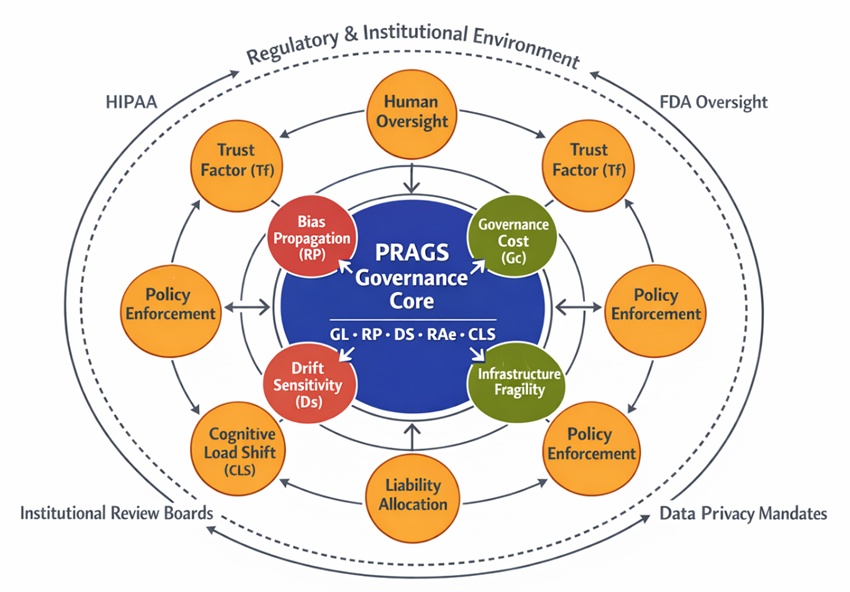
Figure 2. Governance dependencies and risk propagation dynamics in PRAGS deployment.
A radial topology illustrates how the PRAGS governance core mediates operational dynamics, including bias propagation (RP), drift sensitivity (DS), governance cost (Gc), and latency trade-offs. Human-AI workflow factors and policy dependencies interact bidirectionally with the governance nucleus, while regulatory environments encircle the system. The figure conceptualizes predictive allocation as a dynamic socio-technical ecosystem influenced by internal and external constraints.
Broader societal impacts warrant discussion, including workforce transformations where PRAGS automates routine tasks, potentially reshaping job roles toward oversight and innovation [2, 4]. Yet, this risks job displacement if not governed equitably, emphasizing the need for reskilling initiatives [15]. Sustainability aspects, such as energy-efficient infrastructure for predictive analytics, align with global health goals and reduce operational carbon footprints [5, 6].
In summary, PRAGS exemplifies how governed AI can revolutionize hospital operations, but its success hinges on addressing multifaceted challenges through informed policy, practice, and research. This discussion underscores the scaffold’s potential to drive resilient, equitable healthcare systems.
In conclusion, the PRAGS offers a comprehensive conceptual framework for integrating AI-driven predictive analytics into hospital operations, emphasizing governance to ensure ethical, efficient, and adaptable resource management. By synthesizing clinical AI architectures, healthcare analytics infrastructures, and governance systems from recent literature, PRAGS addresses critical gaps in proactive allocation and provides a blueprint for hospitals navigating complex demands.
The scaffold’s layered design—from predictive engines to adaptive feedback—facilitates theoretical advances in operational resilience, mitigating risks such as biases and latencies through interpretive models such as GL, RA, and DC. Operational dynamics reveal dependencies that, when managed, foster human-AI synergies and infrastructure robustness.
Ultimately, PRAGS paves the way for transformative hospital governance, promoting sustainability and equity. Future conceptual refinements could extend its applicability to specialized settings, reinforcing AI’s role in advancing healthcare systems.
None
None
None
None
Open Access The author(s) retain copyright. This article is licensed under the Creative Commons Attribution-NonCommercial-ShareAlike 4.0 International License. It may be shared and adapted for non-commercial purposes with appropriate attribution, an indication of changes, and distribution of adaptations under the same license. Third-party material may be subject to separate terms identified in its credit line. View the license at https://creativecommons.org/licenses/by-nc-sa/4.0/.
 Clinical Intelligence Research Press