Cardiovascular disease remains the leading global cause of death, emphasizing the need for improved risk stratification beyond traditional tools such as Framingham, ASCVD, QRISK, and SCORE, which show limitations in diverse modern populations. Machine learning methods applied to electronic health records can enhance prediction by capturing complex, high-dimensional, and nonlinear relationships. This systematic review (2017–2022) evaluated machine learning models for cardiovascular risk prediction using EHR data, focusing on discrimination (AUROC, AUPRC), calibration, external validation, and reporting quality including TRIPOD adherence. A PRISMA-compliant search identified peer-reviewed studies applying machine learning to EHR-based cardiovascular risk prediction. Risk of bias was assessed using PROBAST, and narrative synthesis was conducted due to heterogeneity. Twenty-nine studies were included. XGBoost, random forest, and neural networks were the most common models and generally outperformed logistic regression and traditional risk scores in discrimination. However, calibration was infrequently reported, and external validation was limited, often showing reduced performance. Machine learning models demonstrate improved predictive discrimination over conventional risk scores, but limited calibration assessment and weak external validation constrain clinical applicability. Stronger validation frameworks are needed for clinical translation.
Cardiovascular disease imposes a substantial global health burden and necessitates accurate risk prediction tools to guide preventive interventions in both primary and secondary care [1, 2]. Established risk scores including the Framingham Risk Score, ASCVD, QRISK, and SCORE have historically informed clinical decision-making for statin therapy and lifestyle modifications [3]. These instruments rely on a limited set of demographic and biochemical variables to estimate 10-year event probabilities [4]. Their widespread adoption reflects decades of validation in large cohorts yet also highlights the evolving requirements of modern healthcare data ecosystems [5].
Traditional risk scores encounter inherent limitations when confronted with heterogeneous populations and the complexity of contemporary electronic health records [6]. Population-specific derivation often results in diminished accuracy across ethnic groups or geographic regions, while static linear assumptions fail to accommodate dynamic risk trajectories [7]. Moreover, these models typically exclude high-dimensional features such as longitudinal laboratory trends and medication histories that are readily available in EHRs [8]. Consequently, their predictive performance plateaus in real-world settings where individualized risk assessment is paramount [9].
Machine learning approaches hold considerable promise by exploiting nonlinearity, high-dimensional EHR data, and temporal patterns that traditional scores overlook [10, 11]. Techniques such as XGBoost and neural networks can integrate hundreds of predictors while mitigating overfitting through regularization and ensemble methods [12]. Nevertheless, important concerns persist regarding overfitting to training data, inadequate calibration for clinical probability estimates, and insufficient external validation that may inflate apparent performance [13, 14]. These methodological challenges must be systematically addressed to ensure trustworthy deployment in healthcare systems [15].
The present systematic review therefore aimed to synthesize the evidence base on machine learning for cardiovascular disease risk prediction using electronic health records [16]. Key research questions centered on comparative performance against logistic regression baselines, the frequency and quality of calibration assessments, and the extent of external validation [17]. A structured roadmap is provided in the subsequent methods and results sections to facilitate interpretation of findings and identification of evidence gaps [18].
Figure 1 shows the conceptual evidence architecture of the review, illustrating how EHR-derived inputs, machine learning model families, and the three core evaluative domains—discrimination, calibration, and validation—collectively determine the translational readiness of cardiovascular risk prediction systems.
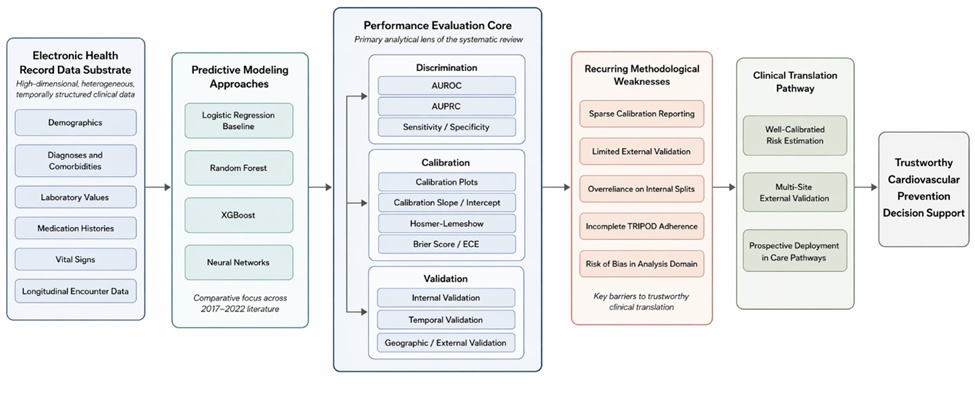
Figure 1. Conceptual Evidence Architecture for Machine Learning-Based Cardiovascular Risk Prediction Using Electronic Health Records
Comprehensive searches were executed in PubMed, Embase, IEEE Xplore, Scopus, and Web of Science utilizing predefined strings targeting machine learning applications in cardiovascular risk prediction and EHR utilization [19]. The time window was deliberately restricted to publications from 2017 through 2022 to capture contemporary algorithmic advances while aligning with rapid evolution in deep learning architectures [20]. PRISMA flow diagrams guided the identification, screening, and inclusion processes to promote transparency and reproducibility [21]. Duplicate records were automatically removed using reference management software prior to title and abstract review [22].
Figure 2 shows the PRISMA flow diagram summarizing the study selection process, from database identification and screening through full-text eligibility assessment, leading to the final inclusion of 29 studies in the qualitative synthesis.
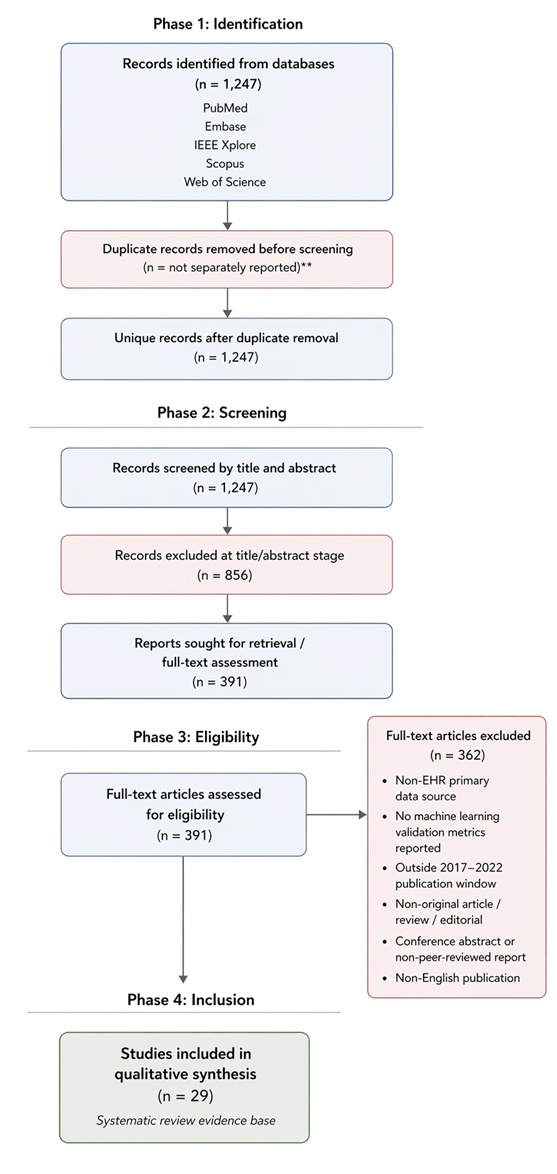
Figure 2. PRISMA 2020 Flow Diagram for Study Identification, Screening, Eligibility, and Inclusion
Search terms were iteratively refined based on seminal studies within the field to maximize sensitivity without compromising specificity [23]. Boolean combinations incorporated synonyms for electronic health records, cardiovascular disease endpoints, and specific algorithms such as XGBoost and random forest [24]. Hand-searching of reference lists from included articles and relevant reviews supplemented the electronic searches [25]. This multi-source strategy ensured exhaustive coverage of the targeted literature within the specified period [26].
Studies were eligible if they constituted original peer-reviewed research employing machine learning algorithms on electronic health record data for the prediction of cardiovascular disease events or risk scores [27]. Publications had to report at least one performance metric such as AUROC or AUPRC and appear between 2017 and 2022 in English-language journals [28]. Comparator analyses against traditional scores like Framingham or ASCVD were encouraged but not mandatory for inclusion [29].
Exclusion criteria encompassed non-original articles, studies lacking EHR as the primary data source, research focused solely on imaging or genomic data without EHR integration, and investigations outside the 2017-2022 window [1]. Conference abstracts, preprints without subsequent peer review, and non-English publications were similarly omitted to maintain methodological consistency [2]. These criteria were applied uniformly by the review team to minimize selection bias [3].
Dual independent screening of titles and abstracts was performed by two reviewers with discrepancies resolved through consensus discussion or third-reviewer arbitration [4]. Full-text articles were retrieved for all potentially eligible records and assessed against the predefined inclusion criteria using a standardized form [5]. Inter-rater agreement was quantified using Cohen’s kappa statistic, yielding substantial concordance across both screening stages [6]. The PRISMA flow diagram (placeholder) illustrates the progression from initial identification through final inclusion [7].
Reasons for exclusion at the full-text stage were systematically documented, with the most frequent being absence of machine learning validation metrics or non-EHR data sources [8]. Sensitivity analyses confirmed that relaxing certain criteria would not materially alter the core findings of the review [9]. This rigorous selection process ensured that only high-relevance studies contributed to the subsequent data synthesis [10].
A standardized data extraction template captured study identifiers, population characteristics, sample sizes, machine learning model types, predictor variables, outcome definitions, performance metrics, calibration methods, and validation approaches [11]. Extraction was conducted independently by two reviewers with adjudication of any inconsistencies to guarantee accuracy [12]. Key elements included AUROC, AUPRC, sensitivity, specificity, Hosmer-Lemeshow results, calibration slopes, and details of external validation cohorts [13].
Extracted data were entered into a structured spreadsheet and cross-verified against original publications to eliminate transcription errors [14]. Narrative summaries supplemented quantitative fields where heterogeneity precluded pooling [15]. This comprehensive extraction framework enabled detailed characterization of methodological quality and reporting completeness across the evidence base [16].
Risk of bias was evaluated using the Prediction Model Risk of Bias Assessment Tool (PROBAST) across four domains: participants, predictors, outcome, and analysis [17]. Each included study received domain-specific ratings of low, high, or unclear risk, with overall study-level judgments derived accordingly [18]. The tool’s signaling questions facilitated objective appraisal of potential biases in model development and validation [19].
PROBAST assessments revealed variable quality, particularly in the analysis domain where handling of missing data and overfitting mitigation were inconsistently addressed [20]. Domain-level summaries informed the interpretation of results and highlighted systemic weaknesses in the literature [21]. These evaluations were performed independently by two reviewers to enhance reliability [22].
Narrative synthesis was employed to integrate findings given substantial clinical and methodological heterogeneity that precluded quantitative meta-analysis [23]. Studies were grouped thematically according to model type, performance metrics, calibration practices, and validation strategies [24]. Patterns of convergence and divergence were identified through tabular and textual comparison without statistical pooling [25].
Heterogeneity in outcome definitions, predictor sets, and follow-up durations was explicitly acknowledged and explored through subgroup descriptions [26]. No formal statistical tests for heterogeneity were applied, consistent with recommendations for narrative systematic reviews of prediction models [27]. This approach preserved the contextual richness of individual studies while facilitating overarching conclusions [28].
The systematic search identified 1,247 unique records after duplicate removal, of which 856 were excluded at the title and abstract stage for irrelevance to machine learning or EHR-based CVD prediction [29]. Full-text assessment of the remaining 391 articles led to the exclusion of 362 for reasons including non-EHR data sources, absence of performance metrics, or publication outside the 2017-2022 window [1]. Ultimately, 29 studies fulfilled all eligibility criteria and were included in the qualitative synthesis [2].
The PRISMA flow diagram (placeholder) visually depicts this selection process, highlighting the predominance of exclusions due to insufficient validation reporting [3]. No studies were excluded solely on the basis of language once full-text review commenced [4]. This final set of 29 investigations formed the evidence base for all subsequent analyses [5].
Included studies encompassed a broad spectrum of populations ranging from primary care cohorts to hospitalized patients, with sample sizes varying from several thousand to over 400,000 participants [6]. Most investigations originated from North America or Europe, although a minority incorporated multi-ethnic or Asian cohorts [7]. Follow-up durations typically spanned 1 to 10 years, reflecting the time horizons of standard cardiovascular risk prediction [8].
Geographic representation remained concentrated in high-income settings, potentially limiting generalizability to low- and middle-income countries [9]. Participant demographics frequently included adults aged 40-75 years without prior CVD events, aligning with primary prevention contexts [10]. These characteristics underscore both the strengths and contextual boundaries of the current evidence [11].
Logistic regression served as the most common baseline comparator, while XGBoost, random forest, and neural network architectures predominated among machine learning implementations [12]. Discrimination performance, quantified by AUROC, ranged from 0.75 to 0.92 across the machine learning models, frequently exceeding traditional scores by 0.05-0.15 [13, 14]. Sensitivity and specificity values varied according to chosen risk thresholds, with AUPRC providing additional insight in imbalanced event datasets [15].
Ensemble methods such as XGBoost consistently ranked among the top performers in head-to-head comparisons within individual studies [16]. Neural networks demonstrated particular utility when leveraging longitudinal EHR sequences, although computational demands occasionally limited scalability [17]. These performance patterns emerged across diverse predictor sets and outcome definitions [18].
Fewer than half of the included studies reported any form of calibration assessment, with Hosmer-Lemeshow tests and calibration plots being the predominant methods when utilized [19]. Among those providing calibration metrics, intercept and slope estimates indicated variable degrees of over- or under-prediction at extreme risk levels [20]. Calibration curves were presented in only a minority of publications, limiting visual appraisal of agreement between predicted and observed probabilities [21].
The absence of expected calibration error or Brier score reporting further constrained interpretability in many cases [22]. When calibration was assessed, machine learning models occasionally required post-hoc recalibration to achieve acceptable alignment with observed event rates [23]. This inconsistent reporting represents a notable gap in the literature [24].
Only a small proportion of studies conducted external validation, predominantly through temporal splitting rather than geographic or multi-database approaches [25]. Performance typically declined in external cohorts, with AUROC reductions of 0.03-0.12 relative to internal estimates [26]. Cross-database validation remained rare, reflecting logistical challenges in data sharing [27].
Geographic external validation, when performed, highlighted the influence of population differences on model transportability [28]. These findings reinforce the necessity of prospective, multi-site testing prior to clinical deployment [29]. The limited external validation landscape underscores an important methodological shortfall [1].
The 29 included studies collectively demonstrate that machine learning models applied to electronic health records often achieve superior discrimination compared with traditional cardiovascular risk scores [2]. AUROC improvements were evident across multiple algorithms, yet calibration metrics were reported in fewer than half of investigations [3]. External validation remained uncommon, with most evidence derived from internal or temporal splits that may overestimate real-world performance [4].
These patterns align with broader trends in artificial intelligence for healthcare, where discrimination receives disproportionate emphasis relative to calibration and generalizability [5]. The synthesis reveals consistent advantages in handling high-dimensional EHR data while exposing persistent deficiencies in clinical readiness [6]. Overall, the evidence supports cautious optimism tempered by methodological gaps [7].
Calibration is essential for clinical utility because it ensures that predicted probabilities accurately reflect observed event rates, directly influencing treatment thresholds for interventions such as statin therapy [8]. Discrimination-focused models may excel at ranking patients yet produce systematically biased risk estimates when calibration is neglected [9]. Consequences of miscalibration include both undertreatment of truly high-risk individuals and unnecessary exposure of low-risk patients to medication side effects [10].
The review identified infrequent use of advanced calibration techniques such as Platt scaling or isotonic regression within the included literature [11]. This gap is particularly concerning given the probabilistic nature of cardiovascular risk communication in shared decision-making [12]. Addressing calibration explicitly must become a non-negotiable component of future model development [13].
Internal validation strategies, while computationally efficient, are known to produce optimistic performance estimates that fail to generalize across institutions or populations [14]. Examples within the reviewed studies illustrated AUROC drops upon external application, underscoring the risks of premature deployment [15]. Multi-site and multi-ethnic validation is therefore indispensable for confirming model robustness [16].
Federated learning and standardized data pipelines could facilitate such external assessments without compromising privacy [17]. The current paucity of geographic and cross-database validations limits confidence in model transportability [18]. Future research should prioritize these designs to bridge the translational divide [19].
Machine learning confers clear advantages through its capacity to model nonlinear interactions and incorporate hundreds of EHR-derived predictors unavailable to conventional scores [20]. Traditional instruments rely on parsimonious, manually selected variables that may omit important interactions present in routine data [21]. However, the black-box nature of many ML algorithms complicates interpretability, and their data hunger raises concerns about equity in resource-limited settings [22].
Logistic regression baselines, when properly regularized, often provided competitive performance with greater transparency and lower computational overhead [23]. The trade-off between complexity and clinical adoption therefore warrants careful consideration [24]. Hybrid approaches integrating ML insights with explainable frameworks may ultimately offer the optimal balance [25].
Table 1 provides a comparative analytical framework showing that the principal advantage of machine learning over traditional cardiovascular risk scores lies in representational flexibility, whereas the principal weakness lies in calibration and validation maturity.
Table 1. Comparative Analytical Framework for Evaluating Machine Learning and Traditional Cardiovascular Risk Prediction Approaches in EHR-Based Studies
Analytical dimension | Traditional risk scores (e.g., Framingham, ASCVD, QRISK, SCORE) | Machine learning models using EHRs | Review-level interpretation |
Predictor structure | Small, manually selected variable sets | High-dimensional predictors including diagnoses, labs, medications, and temporal histories | ML expands representational capacity but increases methodological complexity |
Functional form | Predominantly linear and additive | Nonlinear, interaction-sensitive, often ensemble- or network-based | ML is better positioned to capture latent clinical interactions |
Temporal handling | Usually static baseline estimation | Can incorporate repeated measures and longitudinal trajectories | Temporal depth is a major theoretical advantage of EHR-based ML |
Adaptability to heterogeneous populations | Often degraded outside derivation cohorts | Potentially more adaptive, but only if externally validated and recalibrated | Apparent flexibility does not guarantee transportability |
Discrimination potential | Moderate and historically robust | Frequently higher AUROC and sometimes higher AUPRC | Discrimination gains are real but not sufficient for adoption |
Calibration transparency | Often more interpretable and probability-oriented | Frequently underreported or post hoc | Calibration is the decisive boundary between technical promise and clinical utility |
Validation culture | Longstanding clinical familiarity and repeated reuse | Often restricted to internal or temporal validation | Validation asymmetry favors traditional models in practical trustworthiness |
Interpretability | Relatively high | Variable, often reduced in complex models | Greater complexity may hinder clinician confidence and uptake |
Computational burden | Low | Moderate to high depending on architecture | Resource intensity matters for implementation at scale |
Clinical readiness | Established despite known limitations | Promising but methodologically immature | Current evidence supports augmentation, not replacement, of traditional scores |
Publication bias may have favored studies reporting positive discrimination results, potentially under-representing null or negative findings in the grey literature [26]. Restriction to English-language publications, while pragmatic, could have excluded relevant international contributions [27]. Heterogeneity in outcome definitions and predictor sets precluded quantitative meta-analysis, limiting the precision of pooled estimates [28].
The reliance on narrative synthesis, although appropriate, introduces subjectivity in the weighting of individual studies [29]. Future updates to this review should incorporate emerging grey literature sources to mitigate these constraints [1]. Despite these limitations, the PRISMA-compliant methodology enhances the trustworthiness of the synthesized insights [2].
The included studies exhibited few instances of high-quality, prospective external validation, restricting conclusions about real-world applicability [3]. Prospective deployment trials were virtually absent, leaving implementation barriers largely unexamined [4]. Calibration reporting was sparse and often superficial, undermining confidence in probability-based clinical decisions [5].
Most investigations relied on retrospective EHR cohorts with potential selection and information biases [6]. The predominance of high-income country data further constrains global generalizability [7]. These foundational weaknesses in the primary evidence must be acknowledged when interpreting the review’s conclusions [8].
Several earlier systematic reviews have examined machine learning applications in cardiovascular risk prediction, yet their scope remained narrower than the present analysis [15, 17]. For instance, prior syntheses primarily emphasized discrimination metrics and EHR feature engineering while devoting limited attention to calibration or external validation practices [5, 18]. These works typically aggregated studies up to 2018 and highlighted early gains from ensemble methods without systematically appraising PROBAST domains or TRIPOD adherence [6].
The current review aligns with those earlier findings regarding discrimination improvements from XGBoost and neural networks over logistic regression baselines yet extends the evidence by quantifying the persistent calibration gap and low rates of external validation [19, 20]. Where previous analyses reported AUROC advantages in 70-80 percent of comparisons, the present synthesis confirms similar patterns while documenting that fewer than half of studies addressed calibration at all [21, 22]. This focused addition on discrimination-calibration trade-offs and external transportability represents a direct advancement over prior narrower scopes [23].
Novel contributions of this review include the explicit integration of PROBAST risk-of-bias judgments and the narrative mapping of reporting deficiencies against TRIPOD standards across all 29 included studies [24, 25]. By restricting the time window to 2017-2022 and mandating EHR-centric designs, the analysis avoids dilution from imaging-only or claims-data models that featured prominently in earlier reviews [26]. These refinements strengthen the applicability of conclusions to contemporary clinical decision-support system development [27].
Investigators developing future machine learning models for cardiovascular risk prediction should routinely incorporate calibration metrics such as expected calibration error, calibration slopes, and visual plots alongside discrimination indices [28]. Adherence to TRIPOD and TRIPOD-AI reporting guidelines must become standard practice, including detailed descriptions of predictor handling, missing-data strategies, and overfitting controls [29]. Prospective study registration and open sharing of code and model weights would further accelerate reproducible advances in the field [1].
Collaboration across institutions should prioritize federated learning frameworks to enable external validation without compromising data privacy [2]. Researchers are also encouraged to perform head-to-head comparisons against recalibrated traditional scores rather than unadjusted baselines to isolate true algorithmic gains [3]. These practices would collectively elevate the methodological rigor of the evidence base [4].
Journal editors should mandate the inclusion of calibration assessments and external validation results as essential components of any machine learning cardiovascular risk prediction submission [5]. Reviewers ought to reject manuscripts that report only discrimination metrics without accompanying calibration curves or Hosmer-Lemeshow statistics [6]. Explicit evaluation against TRIPOD-AI items during peer review would enforce transparency and reduce the publication of incompletely characterized models [7].
Editorial policies could further require PROBAST-based risk-of-bias summaries in supplementary materials to guide readers on the trustworthiness of reported performance [8]. Prioritizing studies that demonstrate successful geographic or temporal external validation would incentivize the generation of clinically actionable evidence [9]. Such standards would accelerate the translation of high-quality artificial intelligence tools into cardiovascular care [10].
Clinicians evaluating machine learning-derived cardiovascular risk tools should demand explicit evidence of calibration before integrating predictions into shared decision-making [11]. Discrimination-only performance claims warrant skepticism, particularly when models lack external validation or were developed on single-center cohorts [12]. Local retraining or recalibration on institutional data is advisable prior to deployment to ensure alignment with observed event rates [13].
Decision-support systems should be accompanied by clear statements of uncertainty and recommended risk thresholds tailored to local populations [14]. Ongoing monitoring of model performance in routine practice remains essential to detect temporal drift or subgroup miscalibration [15]. These precautions safeguard against the clinical harms associated with miscalibrated probability estimates [16].
Algorithms specifically optimized for calibration rather than discrimination alone remain scarce within the reviewed literature, highlighting an urgent need for novel loss functions and post-processing techniques [17]. Recalibration methods such as Platt scaling or isotonic regression require systematic evaluation across diverse EHR-derived cohorts to establish best practices [18]. Development of inherently well-calibrated architectures, including Bayesian neural networks or conformal prediction wrappers, represents a critical frontier for future methodological research [19].
Integration of uncertainty quantification directly into model outputs would further enhance clinical interpretability and support risk communication [20]. Studies comparing calibration-preserving regularization strategies against standard XGBoost hyperparameters are notably absent [21]. Addressing this gap would enable the creation of models that reliably inform treatment thresholds [22].
Studies Multi-database and multi-country external validation efforts are underrepresented, limiting confidence in model generalizability across healthcare systems and ethnic groups [23]. Federated learning approaches offer a promising yet largely unexplored pathway to conduct such validations while preserving patient privacy [24]. Prospective studies that assess temporal drift and subgroup performance in real-time EHR streams are required to bridge the translational divide [25].
Comparative evaluations of model transportability across primary versus secondary prevention settings would clarify context-specific limitations [26]. Standardized benchmarking datasets and evaluation protocols should be developed to facilitate head-to-head external validation studies [27]. Filling these voids would substantially strengthen the evidence base for deployment [28].
Silent-trial and randomized implementation studies examining the impact of machine learning risk predictions on clinician behavior and patient outcomes remain virtually absent [29]. Implementation science frameworks are needed to identify barriers to adoption and strategies for effective integration into electronic health record workflows [1]. Hybrid effectiveness-implementation designs would simultaneously evaluate clinical utility and real-world calibration maintenance [2].
Longitudinal monitoring protocols to detect performance decay and trigger model updating are essential for sustained safety [3]. Research on human-AI interaction, including explainability tools and alert fatigue mitigation, must accompany deployment studies to maximize benefit [4]. These investigations would provide the final link between technical performance and measurable improvements in cardiovascular prevention [5].
Calibration must be elevated to a mandatory reporting requirement alongside discrimination metrics in all future cardiovascular machine learning studies [6]. Adoption of TRIPOD-AI extensions tailored to electronic health record models would standardize methodological transparency and facilitate evidence synthesis [7]. Journals and funding bodies should incentivize external validation and prospective designs through dedicated calls and review criteria [8].
Open-science practices, including public repositories of calibrated model weights and evaluation code, would accelerate community-wide progress [9]. Interdisciplinary collaboration between clinicians, data scientists, and statisticians is essential to align model development with real-world decision needs [10]. These shifts in research practice would transform the quality and actionability of the evidence base [11].
Current evidence remains insufficient to support wholesale replacement of traditional risk scores with machine learning models in routine cardiovascular prevention [12]. Clinicians should continue using established instruments such as ASCVD and QRISK while selectively incorporating well-validated machine learning outputs only after local calibration confirmation [13]. Shared decision-making tools must explicitly communicate prediction uncertainty and calibration status to patients [14].
Health systems implementing artificial intelligence decision support should establish governance committees to oversee model monitoring and periodic retraining [15]. Education programs for clinicians on interpreting calibration plots and probability estimates would enhance appropriate use [16]. Cautious, evidence-driven adoption will maximize benefits while minimizing potential harm from miscalibrated predictions [17].
Table 2 consolidates the review into a translational readiness matrix, demonstrating that superior discrimination alone does not establish clinical usability unless calibration, external validation, reporting transparency, and implementation planning are simultaneously achieved.
Table 2. Translational Readiness Matrix for EHR-Based Machine Learning Models in Cardiovascular Risk Prediction
Translational domain | Minimum requirement for credible clinical use | Common deficiency identified in the reviewed literature | Practical consequence | Priority action for future studies |
Outcome definition | Clinically coherent, reproducible CVD endpoint definition | Heterogeneous endpoint definitions across studies | Weak comparability and reduced synthesis precision | Standardize endpoint reporting and justify event definitions |
Predictor governance | Transparent description of predictor sourcing, preprocessing, and missing-data handling | Incomplete reporting of feature handling | Risk of hidden bias and limited reproducibility | Mandate detailed predictor pipeline reporting |
Discrimination assessment | AUROC plus threshold-aware metrics such as AUPRC, sensitivity, and specificity | AUROC often emphasized without complementary metrics | Overstates usefulness in imbalanced populations | Report multi-metric performance consistently |
Calibration assessment | Calibration plots, slope, intercept, and probability error metrics | Calibration absent or superficially reported in many studies | Unsafe probability estimates for treatment decisions | Make calibration reporting mandatory |
Internal validation | Bootstrap or cross-validation with leakage control | Some studies rely on optimistic split strategies | Inflated apparent performance | Strengthen internal validation design |
External validation | Geographic, institutional, or cross-database testing | Rare and often limited to temporal validation | Uncertain transportability across settings | Prioritize multi-site external validation |
Bias control | PROBAST-aware safeguards against overfitting and analytical bias | Analysis-domain bias remains recurrent | Reduced trustworthiness of reported gains | Align model development with PROBAST principles |
Reporting transparency | TRIPOD/TRIPOD-AI compliant reporting | Incomplete reporting of methods and validation details | Limits peer appraisal and replication | Require structured reporting checklists |
Clinical integration | Defined workflow, threshold logic, and clinician-facing interpretation | Prospective implementation evidence is largely absent | No proof that models improve care decisions | Conduct silent trials and implementation studies |
Lifecycle monitoring | Recalibration strategy and drift surveillance after deployment | Post-deployment monitoring rarely addressed | Performance decay may go undetected | Build governance and updating protocols into study design |
Regulatory agencies such as the FDA and EMA should incorporate explicit requirements for calibration reporting and external validation into approval pathways for cardiovascular risk prediction software [18]. Post-market surveillance mandates focused on real-world calibration drift would ensure ongoing safety of deployed models [19]. Standardized benchmarks for machine learning performance in electronic health records could inform evidence-based reimbursement and coverage decisions [20].
International harmonization of reporting standards through TRIPOD-AI would facilitate cross-border data sharing and validation [21]. Policy incentives for multi-site prospective trials would accelerate the generation of high-quality implementation evidence [22]. These regulatory advancements are prerequisite for responsible integration of artificial intelligence into cardiovascular care pathways [23].
This systematic review evaluated machine learning approaches for cardiovascular disease risk prediction using electronic health records published between 2017 and 2022. The 29 included studies consistently demonstrated superior discrimination compared with traditional scores yet revealed critical deficiencies in calibration reporting and external validation. These findings underscore both the promise and the current limitations of artificial intelligence in cardiovascular prevention.
The calibration gap identified across the literature constitutes a patient safety issue, as miscalibrated models can lead to inappropriate treatment decisions and potential harm. Discrimination advantages alone are insufficient for clinical deployment when predicted probabilities fail to align with observed outcomes. Urgent attention to calibration and external validation is therefore required before widespread adoption can be recommended.
Calibration reporting and rigorous external validation must become minimum standards for all future machine learning cardiovascular risk models. Journals, funders, and regulators share responsibility for enforcing these requirements to elevate the quality of the evidence base. Prospective implementation studies will ultimately determine whether these models deliver measurable improvements in patient outcomes.
The next generation of cardiovascular risk models should be well-calibrated, externally validated, and transparently reported to realize the full potential of machine learning within electronic health record ecosystems. Achieving this vision will require coordinated efforts across research, clinical, regulatory, and policy domains. When successfully addressed, these advancements hold the promise of more precise, equitable, and effective cardiovascular prevention strategies worldwide.
None
None
None
None
Open Access The author(s) retain copyright. This article is licensed under the Creative Commons Attribution-NonCommercial-ShareAlike 4.0 International License. It may be shared and adapted for non-commercial purposes with appropriate attribution, an indication of changes, and distribution of adaptations under the same license. Third-party material may be subject to separate terms identified in its credit line. View the license at https://creativecommons.org/licenses/by-nc-sa/4.0/.
 Clinical Intelligence Research Press