In the complex ecosystem of perioperative healthcare systems, where electronic health records (EHRs), real-time monitoring devices, and clinical decision support tools intersect, the management of surgical complication risks demands robust analytics infrastructures. Perioperative analytics systems leverage artificial intelligence (AI) to process multimodal data streams, including patient demographics, intraoperative variables, and postoperative indicators, aiming to enhance clinical outcomes while mitigating adverse events such as anastomotic leaks, infections, and venous thromboembolism. However, existing approaches often fragment risk assessment across isolated phases, lacking a cohesive lifecycle perspective that integrates data acquisition, model deployment, workflow embedding, and ongoing governance. This conceptual gap hinders seamless interoperability, privacy preservation, and safety assurance in high-stakes surgical environments. To address this, we introduce the Surgical Complication Risk Lifecycle Architecture (SCRiLA). This novel framework conceptualizes risk management as a cyclical process encompassing data harmonization, predictive modeling, decision integration, and feedback-driven oversight. SCRiLA emphasizes structural layers for handling EHR interoperability challenges, bias mitigation in analytics pipelines, and clinician-AI collaboration in perioperative workflows. Implications for deployment include improved system resilience against data drift, enhanced accountability in risk predictions, and streamlined governance protocols that align with regulatory standards, ultimately fostering safer and more efficient perioperative care delivery. By framing surgical complication risks through a lifecycle lens, this architecture provides interpretive insights for informatics stakeholders to optimize analytics systems without empirical validation.
The perioperative period, spanning preoperative assessment through postoperative recovery, represents a critical juncture in healthcare where surgical complication risks—such as bleeding, infections, or anastomotic failures—can profoundly impact patient morbidity and healthcare resource utilization [1-3]. Within analytics ecosystems, AI-enabled systems process vast arrays of data from electronic health records (EHRs), vital sign monitors, and surgical logs to inform risk stratification. However, the inherent volatility of perioperative environments, characterized by rapid physiological changes and multidisciplinary team interactions, amplifies the need for architectures that holistically manage complication risks across temporal phases. Traditional informatics approaches often prioritize isolated predictive models, overlooking the interconnected lifecycle of risk emergence, detection, and mitigation [4, 5]. This fragmentation can lead to discrepancies in data fidelity, where preoperative risk factors like comorbidities are inadequately linked to intraoperative events, resulting in suboptimal analytics performance in real-time clinical settings. Moreover, the integration of AI into perioperative workflows demands careful consideration of system-level factors, including data standardization and algorithmic transparency, to prevent amplification of biases that could exacerbate complication disparities across patient cohorts [6, 7]. By conceptualizing surgical complication risks as evolving entities within a lifecycle framework, healthcare systems can better align analytics pipelines with clinical imperatives, ensuring that risk insights translate into actionable interventions without disrupting operational flows.
Designing architectures for surgical complication risk lifecycle requires embedding interoperability standards, such as HL7 FHIR, to facilitate seamless data exchange between disparate perioperative systems like anesthesia information management systems and postoperative surveillance tools [8-10]. In perioperative analytics, where complication risks manifest through multifaceted indicators—ranging from laboratory values to surgical technique variables—the absence of a unified lifecycle architecture can impede the propagation of risk signals across care phases. For instance, preoperative risk profiling must dynamically interface with intraoperative analytics to anticipate complications like venous thromboembolism. Yet, many existing infrastructures treat these as siloed components, leading to governance gaps in privacy and accountability [11, 12]. This architectural shortfall not only heightens liability in clinical decision-making but also undermines the potential of AI to support adaptive workflows, where clinician inputs refine risk assessments in real time. Addressing these imperatives involves conceptualizing a scaffold that incorporates feedback mechanisms, allowing for continuous recalibration of risk models against emerging perioperative data streams [13, 14]. Such integration fosters resilience in analytics systems, enabling them to accommodate the heterogeneity of surgical contexts, from elective procedures to emergency interventions, while prioritizing patient safety through structured oversight.
Governance in perioperative analytics systems extends beyond compliance to encompass ethical stewardship of surgical complication risks throughout their lifecycle, from initial data ingestion to post-deployment monitoring [15, 16]. Key challenges arise from the tension between data utility and privacy safeguards, particularly under regulations like HIPAA, where de-identified perioperative datasets must balance granularity for risk analytics with protection against re-identification risks [17, 18]. In the absence of a dedicated lifecycle architecture, governance often defaults to ad-hoc measures, such as periodic audits, which fail to capture dynamic shifts in complication profiles driven by factors like surgical volume or protocol variations. This can result in unaddressed biases, where analytics systems inadvertently perpetuate inequities in complication risk predictions for underrepresented patient groups [19, 20]. Furthermore, the deployment of AI in perioperative settings necessitates governance frameworks that delineate accountability between algorithmic outputs and clinical judgments, ensuring that risk lifecycle stages include traceable decision loops. By tackling these challenges, informatics leaders can cultivate systems that not only predict but also proactively manage complication risks, enhancing overall healthcare system reliability [21, 22].
Perioperative workflows, involving coordinated efforts among surgeons, anesthesiologists, and nursing staff, provide the operational backbone for deploying complication risk architectures within analytics systems [23, 24]. Synergizing these workflows with a risk lifecycle approach requires mapping AI-driven insights onto clinical action points, such as adjusting anticoagulation protocols based on predicted thromboembolism risks, while maintaining human oversight to mitigate over-reliance on automated analytics [25, 26]. However, without a cohesive architecture, workflow disruptions can occur, as disparate analytics tools generate conflicting risk signals that complicate perioperative decision-making. Conceptualizing synergies involves envisioning integrated platforms where risk lifecycle data flows inform adaptive protocols, fostering a collaborative environment between AI systems and clinical teams [27, 28]. This alignment not only streamlines complication mitigation but also supports scalability across diverse surgical specialties, from colorectal to bariatric procedures.
Within colorectal surgery, the perioperative landscape is characterized by elevated exposure to complications such as anastomotic leakage, postoperative hemorrhage, and septic sequelae. AI-enabled infrastructures have emerged as conceptual risk intelligence environments designed to orchestrate predictive analytics across heterogeneous perioperative datasets [4, 5, 8]. These infrastructures draw heavily from electronic health record (EHR) repositories, intraoperative device telemetry, anesthetic monitoring streams, and laboratory diagnostics to construct longitudinal complication risk signatures.
Theoretical scholarship emphasizes the necessity of data harmonization substrates capable of fusing preoperative variables—age, frailty indices, comorbidity burdens, inflammatory biomarkers—with intraoperative dynamics such as perfusion variability, operative duration, and hemodynamic fluctuations. Machine learning models embedded within these infrastructures conceptualize complication risk as a propagative function evolving across the surgical timeline rather than as a static preoperative estimate [9, 10].
However, literature syntheses consistently identify governance discontinuities across the lifecycle of these analytics pipelines. While predictive accuracy remains a focal design priority, interoperability across institutional infrastructures is often constrained by fragmented data ontologies and inconsistent exchange protocols. Workflow integration studies further illustrate how analytics outputs are increasingly embedded within surgical decision pathways—informing diversion strategies, drain placement, or antibiotic escalation—yet privacy-aware architectural safeguards remain unevenly implemented [3, 6]. Consequently, theoretical discourse calls for infrastructures that balance predictive depth with federated data governance and perioperative confidentiality preservation.
Bariatric surgical ecosystems introduce distinct perioperative risk phenotypes, including gastroesophageal reflux exacerbation, venous thromboembolism, micronutrient destabilization, and metabolic dysregulation. Machine learning pipelines in this domain are theorized as multimodal perioperative intelligence scaffolds integrating wearable sensor outputs, claims databases, pharmacy records, and longitudinal follow-up registries [14-16].
The literature frames these pipelines as temporally adaptive systems designed to track complication emergence across preoperative optimization, immediate postoperative recovery, and long-term metabolic recalibration phases. Predictive models leverage continuous physiologic monitoring—activity metrics, heart rate variability, sleep cycles—to refine complication susceptibility gradients [17-19].
A recurring theoretical theme concerns data drift across postoperative recovery horizons. As patients transition from inpatient supervision to home-based monitoring, signal fidelity, adherence variability, and environmental confounders reshape predictive stability. Feedback loops embedded within these systems are conceptualized as recalibration engines, iteratively updating complication probabilities as new behavioral and physiologic data streams emerge.
Yet governance syntheses reveal persistent blind spots. Bias amplification—particularly across ethnically and socioeconomically diverse bariatric populations—remains insufficiently mitigated [20, 21]. Interoperability limitations further arise when bariatric analytics attempt to integrate with enterprise EHR ecosystems, where procedural coding, nutritional follow-up data, and wearable telemetry often reside in disconnected silos. The literature, therefore, advocates lifecycle-embedded accountability architectures capable of sustaining fairness, traceability, and model auditability across extended perioperative timelines.
Cholecystectomy procedures, although routine, present non-trivial complication exposures including bile duct injury, postoperative infection, and retained calculi. Informatics frameworks designed for this surgical domain leverage imaging repositories, laparoscopic video feeds, intraoperative waveform analytics, and postoperative laboratory indicators to construct complication surveillance environments [27-29].
Conceptual literature positions these systems as layered monitoring architectures. Foundational acquisition layers ingest laparoscopic imaging streams and device telemetry. At the same time, intermediate analytics strata deploy computer vision and signal processing models to detect anatomical anomalies, duct misidentification risks, or inflammatory signatures [30]. Decision integration layers subsequently translate these signals into intraoperative alerts or postoperative monitoring directives.
Safety governance constitutes a central theoretical pillar. Audit trails documenting algorithmic recommendations, surgical overrides, and outcome correlations are increasingly framed as essential for medico-legal accountability and continuous model validation. Nevertheless, privacy trade-offs remain under-theorized—particularly in real-time video analytics where identifiable anatomical and procedural data are processed continuously [1, 2].
Synthesis across the literature underscores the need for lifecycle-oriented informatics designs incorporating clinician feedback loops. Such loops enable recalibration against procedural variability—differences in surgeon technique, imaging quality, or anatomical complexity—thereby enhancing systemic resilience and reducing surveillance blind zones.
Oncology-associated surgeries operate at the intersection of surgical risk and cancer-specific pathophysiology. Complication susceptibility is influenced not only by operative factors but also by chemotherapy exposure, immunosuppression, tumor burden, and genomic instability. EHR-driven analytics infrastructures in this domain synthesize structured clinical data, genomic repositories, pathology reports, and unstructured oncologic narratives to construct multidimensional risk architectures [7, 11, 12].
Natural language processing (NLP) plays a pivotal role in this ecosystem. Conceptual frameworks highlight how NLP engines extract latent complication indicators from operative notes, oncology consults, and radiology interpretations—transforming narrative documentation into computable risk variables [13]. These pipelines operate as interconnected intelligence meshes requiring governance oversight for uncertainty quantification, bias detection, and model explainability.
Workflow integration remains a persistent challenge. Oncology perioperative analytics must synchronize with multidisciplinary care teams spanning surgeons, medical oncologists, radiation specialists, and palliative services. Literature syntheses emphasize the value of adaptive feedback mechanisms capable of recalibrating complication predictions in response to evolving oncologic therapies, particularly neoadjuvant and adjuvant chemotherapy exposures [22, 23]. Such adaptability is positioned as essential for maintaining predictive validity in dynamically shifting oncologic risk landscapes.
Cardiovascular surgical environments generate dense physiologic data streams, including arterial waveforms, electrophysiologic telemetry, perfusion indices, and hemodynamic variability signals. AI-enabled decision support infrastructures harness these multimodal inputs to predict complications such as postoperative atrial fibrillation, myocardial injury, and circulatory instability [24, 25].
Theoretical models conceptualize these infrastructures as dynamic clinical action systems in which predictive outputs feed directly into perioperative intervention loops—antiarrhythmic prophylaxis, fluid titration, pacing strategies, and ICU surveillance prioritization. Continuous monitoring enables temporal risk recalibration as physiologic states evolve.
Despite technological sophistication, lifecycle governance remains incompletely developed. Literature points to insufficient drift detection protocols, particularly as patient physiology transitions from intraoperative bypass states to postoperative recovery phases [26]. Balancing interoperability with cybersecurity also emerges as a dominant design tension, given the sensitivity of cardiovascular telemetry and the need for real-time cross-departmental accessibility. Consequently, scholarship calls for secure, regulation-aligned infrastructures capable of sustaining both analytic fluidity and data protection.
Telemedicine extensions have expanded perioperative analytics beyond hospital walls, enabling remote complication surveillance through wearable biosensors, mobile imaging, and patient-reported outcomes platforms. These distributed infrastructures are theorized as scalable perioperative intelligence networks capable of longitudinal monitoring across recovery environments [18-20].
AI models within telemedicine ecosystems process decentralized data streams to detect early complication signatures—wound infections, cardiopulmonary instability, thromboembolic indicators—facilitating preemptive clinical intervention. However, governance syntheses identify accountability fragmentation when risk signals traverse institutional, technological, and geographic boundaries [21, 22].
Privacy constitutes a central ethical axis. Continuous remote monitoring introduces expanded exposure to data breaches, consent ambiguities, and surveillance overreach. Literature, therefore, advocates architectures embedding encryption protocols, federated learning topologies, and audit-visible monitoring layers to sustain patient trust.
Theoretical discourse ultimately frames telemedicine-enabled perioperative analytics as a frontier domain requiring harmonized governance, transparency scaffolds, and ethically aligned data stewardship mechanisms to ensure that distributed complication intelligence remains both clinically actionable and socially legitimate.
The SCRiLA represents an original conceptual scaffold designed to orchestrate perioperative analytics systems through a multi-layered, cyclical process. At its core, SCRiLA structures risk management into four interconnected layers: data harmonization, predictive modeling, decision integration, and governance oversight. The data harmonization layer aggregates multimodal inputs from EHRs, intraoperative sensors, and postoperative monitors, ensuring standardized ingestion to mitigate fragmentation in complication risk signals. Ascending to the predictive modeling layer, AI algorithms process these inputs to generate risk profiles, emphasizing symbolic representations of uncertainty rather than empirical outputs. The decision integration layer embeds these profiles into clinical workflows, facilitating human-AI collaboration where clinicians can override or refine recommendations based on contextual expertise. Encircling these layers is the governance oversight, which incorporates feedback loops for continuous monitoring, such as drift detection in risk models and audit trails for accountability.
Central to SCRiLA is the pipeline logic of Data → Model → Decision → Clinical Action, where interoperability protocols govern each transition to maintain data fidelity across perioperative phases. Feedback loops are integral, allowing postoperative outcomes to retroactively inform data harmonization, thus enabling adaptive refinements that address evolving complication risks like infections or leaks. Deployment constraints are explicitly conceptualized, including privacy-preserving mechanisms (e.g., federated learning proxies), safety thresholds for high-risk predictions, and accountability mappings that delineate liabilities between system components and clinical users.
The structural and governance dynamics of the surgical complication risk lifecycle architecture are illustrated in Figure 1.
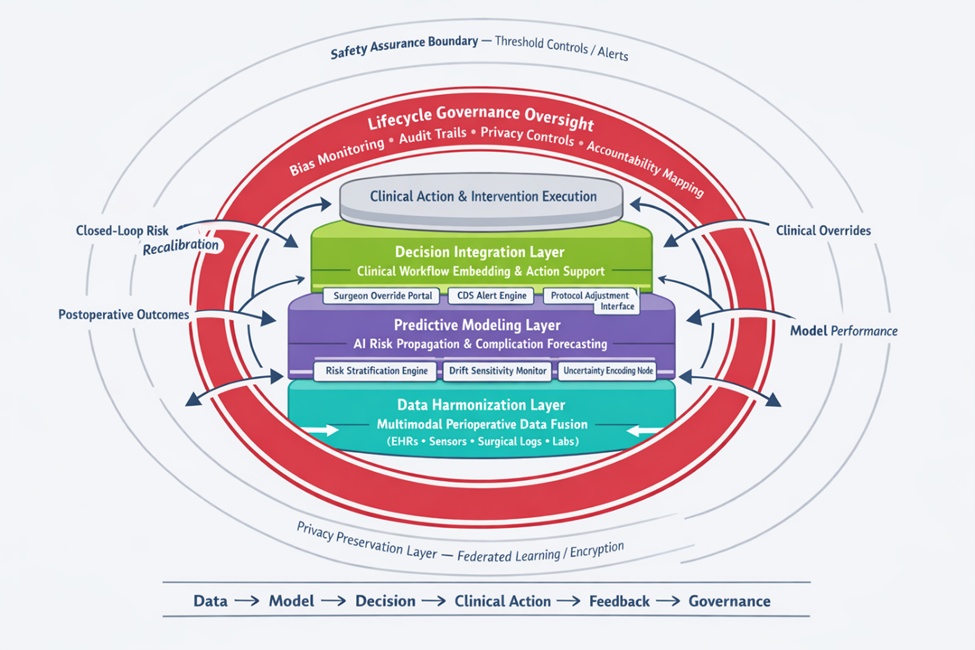
Figure 1. SCRiLA for perioperative analytics systems.
The figure conceptualizes surgical complication risk management as a cyclical lifecycle spanning data harmonization, predictive modeling, decision integration, and clinical action, encircled by governance oversight. Multimodal perioperative data streams are fused within harmonization substrates before propagating through AI risk modeling engines. Outputs are embedded into clinical workflows through decision support interfaces, enabling human–AI collaboration. A surrounding governance ring operationalizes auditability, bias monitoring, and privacy stewardship. Bidirectional feedback loops recalibrate risk predictions based on postoperative outcomes and clinician overrides, while outer deployment envelopes represent interoperability, safety, and privacy constraints shaping lifecycle resilience. The functional dependencies and governance relationships across SCRiLA lifecycle layers are summarized in Table 1.
Table 1. Lifecycle functional layers and governance dependencies in the SCRiLA framework
Lifecycle layer | Primary functions | Data inputs | Governance dependencies | Clinical impact |
Data harmonization | Multimodal ingestion, normalization, and interoperability mapping | EHRs, intraoperative sensors, labs, and imaging | Privacy filtering, access controls, and interoperability standards | Unified perioperative risk signals |
Predictive modeling | Risk stratification, complication forecasting, and uncertainty encoding | Harmonized perioperative datasets | Bias audits, drift monitoring, and model validation | Early complication detection |
Decision integration | CDS embedding, alert generation, and workflow routing | Model outputs and clinician inputs | Accountability mapping and override logging | Actionable perioperative guidance |
Clinical action interface | Intervention execution and protocol adjustments | CDS recommendations and surgical judgments | Liability traceability and compliance logging | Complication mitigation |
Governance oversight | Lifecycle monitoring, audit trails, and compliance enforcement | All pipeline layers | Ethical review, regulatory alignment, and fairness auditing | System trust and safety assurance |
Feedback recalibration | Outcome learning, model retraining, and workflow refinement | Postoperative outcomes and override data | Performance benchmarking and recalibration governance | Continuous risk improvement |
To formalize key interactions, the trade-off between risk utility and governance cost in SCRiLA can be conceptualized as
Furthermore, feedback loop dynamics may be expressed as
Finally, the interoperability-safety nexus is formalized as
SCRiLA offers analytical implications for enhancing operational resilience in perioperative settings, where analytics systems must withstand disruptions from data variability and workflow demands [1, 4, 14]. By conceptualizing risk as a lifecycle entity, SCRiLA implies that healthcare operations can achieve greater stability through layered data harmonization, reducing the fragmentation that often plagues EHR-integrated systems during surgical transitions. This resilience manifests in improved handling of complication signals, such as those from intraoperative monitoring, allowing for smoother integration into clinical actions without escalating workload burdens [5, 15]. Interpretively, this suggests that deployment strategies prioritizing feedback loops can mitigate the cascading effects of unaddressed risks, like postoperative infections, fostering a system where analytics pipelines adapt to real-time perioperative dynamics [8, 16]. Such implications extend to resource allocation, where governance oversight within SCRiLA conceptualizes cost-effective monitoring that balances predictive depth with operational feasibility.
Analytical scrutiny of SCRiLA reveals trade-offs in bias and fairness within clinical decision loops, particularly when analytics systems process diverse perioperative datasets encompassing demographics and procedural variables [6, 17, 19]. The framework’s emphasis on model layers implies that fairness can be interpreted as an emergent property of iterative feedback, where clinicians override and refine risk assessments to counteract inherent data biases in complication predictions [7, 18]. For instance, in bariatric or colorectal contexts, SCRiLA’s pipeline logic suggests that unchecked biases could amplify disparities in risk profiling. Yet, governance constraints provide a scaffold for interpretive adjustments that promote equitable outcomes [20, 21]. This trade-off can be conceptualized as
SCRiLA’s analytical implications for safety and privacy underscore the dynamics of interoperable infrastructures in perioperative analytics, where data flows across EHRs, and monitoring tools must navigate regulatory landscapes [9, 22, 27]. The architecture implies that safety emerges from constrained decision integration, interpreting privacy as a limiter on data utility to prevent breaches in high-stakes surgical environments [10, 23]. In practice, this means analytics systems can conceptualize privacy-aware loops that audit complication risk trails, enhancing accountability without compromising interoperability [11, 24]. Such dynamics highlight implications for system behavior, where feedback mechanisms detect privacy drifts, ensuring that clinical actions remain safeguarded against unauthorized data exposures [12, 25]. The privacy-safety interplay may be expressed as
Implications from SCRiLA extend to human-AI workflow integration, where the framework’s action-oriented pipeline implies enhanced mitigation of surgical complications through synergistic interactions [13, 26, 28]. Analytically, this integration interprets clinician expertise as a modulating factor in decision loops, allowing for overrides that refine AI-generated risk insights in real time [2, 3]. In perioperative operations, such as cholecystectomy or oncology surgeries, SCRiLA suggests that workflow synergies can reduce liability by embedding traceable governance, promoting a system where human judgments augment analytics without inducing decision fatigue [29, 30]. This fosters interpretive insights into workload distribution, implying that effective integration optimizes clinical efficiency while addressing safety concerns in complication-prone scenarios.
Discussing SCRiLA within perioperative contexts reveals governance challenges in scaling analytics systems across varied surgical volumes and institutional settings [1, 14, 27]. The framework’s cyclical nature highlights how governance must interpret scalability as a function of feedback loop robustness, where data drift in large-scale deployments could undermine complication risk accuracy if not continuously audited [4, 15]. In colorectal or bariatric analytics, this implies a need for adaptive protocols that balance centralized oversight with decentralized workflow needs, addressing interoperability hurdles that arise in multi-site healthcare networks [5, 16]. Such challenges underscore the interpretive role of governance in sustaining system integrity, particularly when expanding to telemedicine extensions for postoperative monitoring [18, 20].
SCRiLA prompts discussion on trade-offs between interoperability and data modality richness in risk pipelines, where multimodal inputs from EHRs, imaging, and waveforms enrich complication analytics but complicate standardization [6, 17, 28]. Interpretively, the architecture suggests that overemphasizing modality diversity without strong governance could exacerbate privacy risks, as seen in oncology perioperative systems integrating genomic data [7, 19]. This trade-off necessitates conceptual pathways for validation, framing interoperability as a gateway for seamless decision flows while cautioning against data overload that might dilute clinical action efficacy [9, 21]. In bariatric contexts, for example, synthesizing waveform and claims data under SCRiLA implies enhanced risk insights, yet requires careful management to avoid integration bottlenecks [22, 23].
The discussion of bias mitigation within SCRiLA emphasizes accountability in human-AI collaborations, interpreting clinician overrides as essential for fairness in complication risk assessments [8, 24, 29]. In perioperative workflows, the framework reveals how unmitigated biases in modeling layers could perpetuate inequities, particularly in underrepresented cohorts undergoing procedures like cholecystectomy [10, 25]. This calls for governance dynamics that embed audit trails, fostering accountability that aligns AI outputs with ethical clinical standards [11, 26]. Interpretive insights suggest that such collaborations can optimize safety by leveraging human intuition to counteract algorithmic limitations, though they introduce challenges in delineating liability across system layers [12, 30].
SCRiLA’s feedback loops invite discussion on monitoring dynamics for evolving perioperative systems, where ongoing oversight interprets complication risks as adaptive entities responsive to clinical feedback [2, 3, 13]. In scalable infrastructures, this implies that drift detection mechanisms can enhance long-term system behavior, addressing gaps in traditional analytics that overlook postoperative evolutions [14, 15]. However, the discussion highlights potential overheads in governance costs, necessitating balanced approaches to ensure monitoring supports rather than hinders workflow integration [16, 17]. Ultimately, these dynamics position SCRiLA as a conceptual tool for informatics evolution, promoting resilient systems that evolve with healthcare demands.
The SCRiLA advances conceptual understanding in perioperative analytics by framing surgical complication management as a unified, cyclical process within AI-enabled healthcare systems. Through its layered structure and pipeline logic, SCRiLA provides interpretive insights into data-model-decision-action flows, emphasizing governance, interoperability, and feedback for enhanced clinical operations. Analytical implications highlight resilience, bias trade-offs, and safety dynamics, while discussions underscore scalability challenges and human-AI synergies. This framework encourages informatics stakeholders to conceptualize risk lifecycles holistically, fostering safer deployments without empirical claims. Future conceptual extensions could explore SCRiLA’s adaptability across emerging modalities, reinforcing its role in guiding sustainable perioperative informatics.
None
None
None
None
Open Access The author(s) retain copyright. This article is licensed under the Creative Commons Attribution-NonCommercial-ShareAlike 4.0 International License. It may be shared and adapted for non-commercial purposes with appropriate attribution, an indication of changes, and distribution of adaptations under the same license. Third-party material may be subject to separate terms identified in its credit line. View the license at https://creativecommons.org/licenses/by-nc-sa/4.0/.
 Clinical Intelligence Research Press