Large language models (LLMs) have rapidly advanced since the transformer architecture was introduced in 2017, with systems such as GPT-3, GPT-4, Med-PaLM, and Claude increasingly explored for applications in medical education, clinical documentation, decision support, and patient communication, raising both optimism and concerns regarding safety and reliability. This systematic review synthesizes evidence across studies retrieved from PubMed, arXiv, ACL Anthology, IEEE Xplore, and Google Scholar that empirically evaluated LLMs in clinical settings using quantitative performance metrics, with risk of bias assessed using an adapted PROBAST framework for machine learning research. Findings show that LLMs achieve 60–90% accuracy on USMLE-style examinations, with leading models such as GPT-4 and Med-PaLM 2 reaching or surpassing passing thresholds, while in clinical documentation tasks they can reduce physician workload by approximately 30–50% in generating outputs such as discharge summaries, though human review remains consistently required. Performance in clinical decision support is more variable and specialty-dependent, and hallucination rates ranging from 5–30% have been reported, alongside persistent issues of bias and overconfidence in incorrect outputs. Overall, while LLMs demonstrate strong capabilities in structured medical knowledge tasks and documentation support, current limitations including hallucinations, bias, and lack of prospective clinical validation prevent safe autonomous deployment, making clinician oversight and robust safety safeguards essential for any clinical use.
Large language models have evolved rapidly since the transformer architecture was introduced in 2017, with GPT-3 (2020), GPT-4 (2023), and Med-PaLM (2023) demonstrating capabilities that extend into clinical medicine and generating substantial interest in healthcare applications [1]. Domain-specific models such as Med-PaLM 2 have been fine-tuned on medical corpora, achieving performance approaching clinician levels on medical question-answering benchmarks and prompting exploration of diverse clinical use cases [2]. The pace of model development and commercialization has, however, outstripped systematic safety evaluation, creating an evidence gap that this review addresses.
LLM applications in clinical medicine span four principal domains corresponding to distinct stages of clinical workflow and training: medical education and knowledge assessment, where models have been extensively evaluated on licensing examinations including the USMLE [3, 4]; clinical documentation, where LLMs generate discharge summaries, progress notes, and referral letters with reported time savings but persistent accuracy concerns [5, 6]; clinical decision support, encompassing differential diagnosis and treatment recommendations with variable reliability [7, 8]; and patient interaction, which raises additional challenges of empathy and safety.
Safety concerns documented across multiple studies include hallucination—factually incorrect outputs occurring at rates of 5–30% depending on domain—as well as bias arising from unrepresentative training data that may exacerbate healthcare disparities [9-11]. Additional concerns include overconfidence in incorrect outputs, vulnerability to adversarial prompts, privacy risks from training data memorization, and absent liability frameworks for AI-assisted clinical decisions [12, 13]. A systematic characterization of these concerns across the LLM evaluation literature is needed to inform clinical deployment and regulatory policy.
This review aims to synthesize evidence on LLM performance across medical licensing examinations, clinical documentation, decision support, and safety, and to characterize the nature and prevalence of documented safety concerns. Specific objectives are: first, to quantify LLM performance on standardized clinical knowledge assessments; second, to evaluate LLM effectiveness in documentation and decision support; and third, to systematically categorize safety concerns including hallucination, bias, and overconfidence [14].
Figure 1 illustrates the hierarchical evolution of large language models and their integration across key clinical domains, culminating in cross-domain safety constraints and the need for clinician oversight.
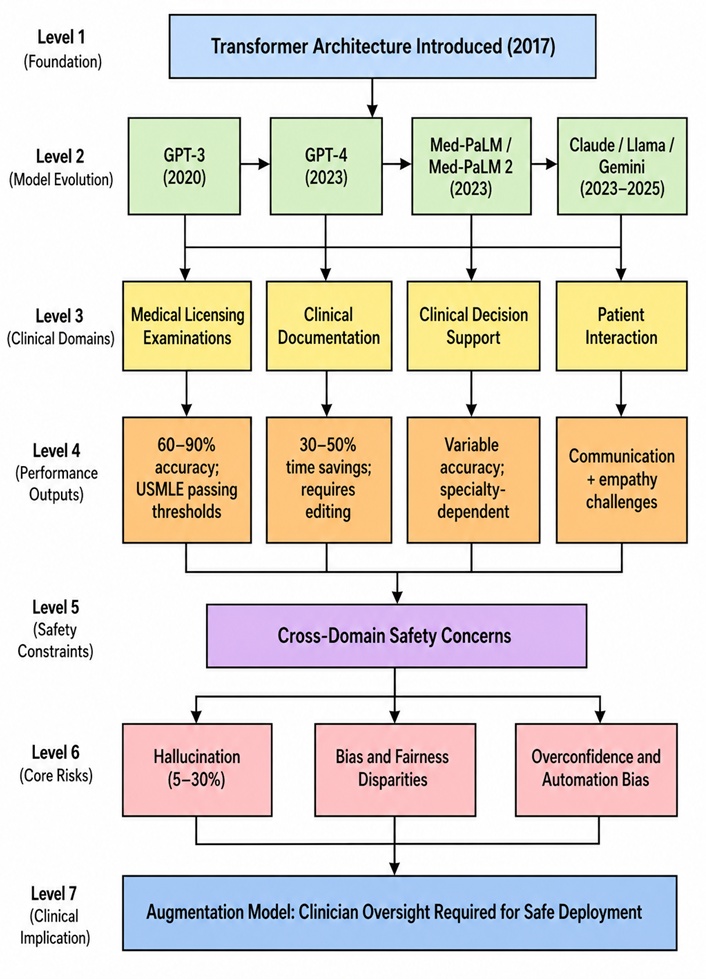
Figure 1. Evolution and Clinical Integration of Large Language Models in Medicine (2017–2025)
A systematic search was conducted across PubMed, arXiv, ACL Anthology, IEEE Xplore, and Google Scholar for studies published between January 2017 and December 2025. Search terms combined large language model identifiers (GPT-3, GPT-4, ChatGPT, Med-PaLM, Claude, Llama, Bard, Gemini) with clinical application terms (USMLE, medical licensing examination, clinical documentation, discharge summary, clinical decision support, differential diagnosis, hallucination, bias, safety). Reference lists of included studies and relevant reviews were hand-searched, and preprint servers were included to capture rapidly evolving research.
Studies were included if they provided empirical evaluation of at least one LLM on a clinical medicine task with quantitative performance metrics, were published in English, and had full text available. Eligible LLMs included GPT-3 through GPT-4, Med-PaLM series, Claude series, and Llama series models. Eligible clinical domains comprised medical licensing examinations, clinical documentation, decision support, and safety evaluation. Studies evaluating non-generative AI only, lacking clinical application, or without extractable quantitative results were excluded, as were opinion pieces without empirical data.
The study selection process is summarized in Figure 2 using a PRISMA 2020 flow diagram detailing identification, screening, eligibility, and inclusion stages.
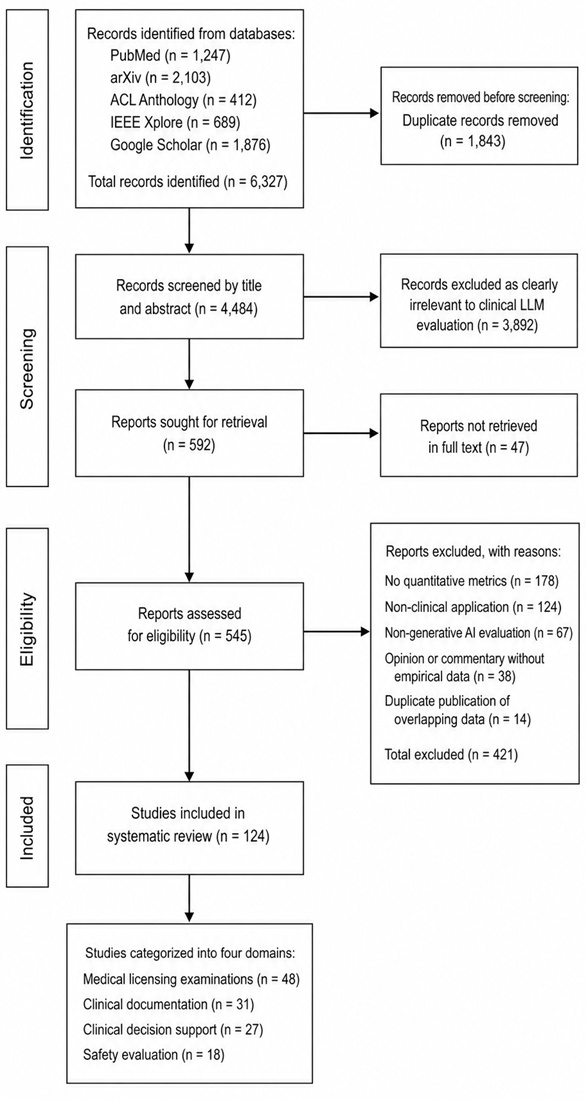
Figure 2. PRISMA 2020 Flow Diagram of Study Selection Process
Records were identified from PubMed (n=1,247), arXiv (n=2,103), ACL Anthology (n=412), IEEE Xplore (n=689), and Google Scholar (n=1,876), yielding 6,327 total records. Before screening, 1,843 duplicate records were removed. The remaining 4,484 records were screened by title and abstract, of which 3,892 were excluded as clearly irrelevant to clinical LLM evaluation. Reports sought for retrieval totaled 592, of which 47 could not be retrieved in full text. The remaining 545 reports were assessed for eligibility, and 421 were excluded for the following reasons: no quantitative metrics (n=178), non-clinical application (n=124), non-generative AI evaluation (n=67), opinion or commentary without empirical data (n=38), and duplicate publication of overlapping data (n=14). Ultimately, 124 studies were included in the systematic review, subsequently categorized into four domains: medical licensing examinations (n=48), clinical documentation (n=31), clinical decision support (n=27), and safety evaluation (n=18), with some studies contributing to multiple domains [15, 16].
A standardized extraction form captured study characteristics, LLM specifications (model, version, fine-tuning strategy), clinical domain, evaluation methodology, performance metrics, and safety findings. For examination studies, specific examination type and question format were additionally extracted. For documentation studies, time savings, quality ratings, and editing requirements were recorded. One reviewer performed initial extraction with verification by a second reviewer for all data points to ensure accuracy and completeness.
Risk of bias was assessed using an adapted PROBAST framework evaluating participant selection, predictor specification, outcome validity, and analysis adequacy. Particular attention was paid to benchmark contamination risk—the possibility that LLM training data included evaluation dataset questions—which would inflate apparent performance relative to genuine clinical reasoning capability. Each domain was rated as low, high, or unclear risk of bias, and ratings were incorporated into narrative synthesis interpretation [17].
Narrative synthesis was employed due to substantial heterogeneity in study designs, evaluation tasks, and performance metrics across the literature. Studies were grouped by clinical domain for primary synthesis and further stratified by model family, model generation, and evaluation methodology. Quantitative performance ranges are reported to characterize central tendencies, but formal meta-analysis was not conducted due to methodological heterogeneity and risk of overlapping evaluation datasets. Synthesis focused on identifying consistent performance patterns and documented safety concerns [18].
Table 1 provides a structured comparison of LLM performance characteristics across clinical domains, highlighting functional strengths and operational limitations
Table 1. Cross-Domain Performance and Functional Capabilities of Large Language Models in Clinical Medicine
Clinical Domain | Primary Tasks | Performance Range | Strengths | Limitations | Clinical Readiness |
Medical Licensing Examinations | USMLE, MedQA, national exams | 60–90% accuracy | Strong factual recall; benchmark consistency | Weak multi-step reasoning; possible dataset contamination | Moderate (education use) |
Clinical Documentation | Discharge summaries, notes, referrals | 30–50% time reduction | Efficiency gains; structured summarization | Requires full clinician editing; omission errors | High (assistive use only) |
Clinical Decision Support | Diagnosis, triage, prescribing | Variable (50–80%) | Useful for common conditions; rapid synthesis | Poor rare disease handling; contextual errors | Low (requires supervision) |
Patient Interaction | Explanation, communication | Qualitative (high fluency) | Clear language; scalable communication | Risk of misinformation; empathy inconsistency | Low (risk-sensitive use) |
LLM performance on medical licensing examinations is the most extensively studied clinical application domain. Singhal et al. demonstrated that Med-PaLM achieved 67.6% accuracy on the MedQA dataset, with Med-PaLM 2 reaching 86.5% and approaching clinician-level performance [1, 2]. GPT-4 has achieved approximately 75–90% accuracy across USMLE Steps 1, 2, and 3, consistently exceeding the passing threshold [3, 4]. Systematic reviews confirm GPT-4 outperforms GPT-3.5 by 15–25 percentage points, while Claude and open-source models show lower but potentially useful performance [9, 10]. International examinations have also been evaluated, with GPT-4 achieving passing-level performance on the Japanese National Medical Licensing Examination [19].
Performance varies across question types, with LLMs performing better on factual recall than multi-step clinical reasoning. Wu et al. found that GPT-4 and Claude 2 showed accuracy variation across nephrology subtopics, performing better on electrolyte disorders than glomerular diseases [20]. Strong et al. compared LLM and medical student performance on free-response clinical reasoning examinations, finding that LLMs generated plausible responses but exhibited characteristic failures including difficulty with probabilistic reasoning and overreliance on presented information [14]. These findings suggest that multiple-choice examination accuracy may overestimate genuine clinical reasoning capability in unstructured environments.
LLM-assisted clinical documentation, particularly discharge summary generation, demonstrates substantial time savings with consistent need for clinician editing. Studies report that physicians rate AI-generated drafts favorably at approximately 4 out of 5 for usefulness, with documentation time reduced by 30–50% compared to manual composition [5, 6]. Song et al. evaluated an LLM assistant for emergency department discharge documentation and found reduced editing time relative to de novo composition, though physician editing remained universally necessary [11]. Williams et al. directly compared physician-generated and LLM-generated summaries, finding comparable overall quality but noting that LLM drafts were more comprehensive in capturing documented findings while occasionally including extraneous or incorrectly emphasized information [16].
Evaluation of other document types including progress notes and referral letters confirms similar patterns. Peng et al. and Yang et al. demonstrated that LLMs can generate coherent clinical notes from structured electronic health record data with acceptable accuracy for routine findings but higher error rates for abnormal results and medication details [21, 22]. Croxford et al. found that LLM-generated summaries captured key clinical concepts but exhibited systematic errors including omission of pertinent negatives and hallucination of undocumented findings [17]. Asgari et al. developed a structured safety framework identifying specific error categories—factual inaccuracies, omissions, and contradictions—that pose patient safety risks if undetected [23].
LLM decision support performance varies substantially by clinical context and specialty. Rutledge et al. found GPT-4 diagnostic accuracy above 80% for common presentations but substantially lower for rare diseases and atypical presentations [24]. Gaber et al. demonstrated that structured prompting improved triage and referral performance, though clinically significant errors persisted in complex cases requiring nuanced judgment [7]. Ong et al. evaluated prescribing error identification and found moderate sensitivity for common errors such as drug-drug interactions but poor performance on context-dependent errors requiring patient-specific factor integration [25].
Comparative studies reveal performance relative to clinicians. Katz et al. found GPT-4 outperformed residents on fact-based board questions but underperformed on management questions requiring contextual integration [26]. Shan et al. systematically reviewed diagnostic accuracy comparisons, finding LLMs approached non-specialist clinicians on structured tasks but consistently underperformed specialists, particularly for physical examination interpretation and visual diagnosis [27]. Jin et al. identified specific multimodal GPT-4 failure modes including medical image misinterpretation and plausible-sounding but incorrect interpretations of ambiguous visual data [28].
Hallucination—factually incorrect statements presented with confidence—is consistently documented across clinical LLM applications. Weissman et al. demonstrated that unregulated LLMs produce medical device-like decision support containing clinically significant errors in authoritative language [8]. Asgari et al. found error rates of 5–15% in LLM-generated medical notes, with higher rates for medication details, laboratory values, and temporal relationships [23]. Gaber et al. showed that retrieval-augmented generation reduced but did not eliminate hallucinated content, suggesting architectural limitations beyond current mitigation strategies [7].
The clinical significance of hallucination varies by use case, with different risk profiles for documentation versus diagnostic recommendations. Workum et al. found that LLMs frequently generated plausible but incorrect explanations for wrong answers, potentially misleading clinicians lacking domain expertise [29]. Lee et al. identified hallucination as a primary safety concern, noting that users may not distinguish accurate from hallucinated content due to authoritative linguistic style [5]. Peng et al. noted that clinician reviewers themselves may be susceptible to automation bias, potentially overlooking errors in well-structured AI-generated content [21].
Performance disparities across demographic groups raise concerns about LLM-exacerbated healthcare inequities. Singhal et al. identified accuracy variations related to patient race, ethnicity, and socioeconomic status indicators reflecting training data biases [2]. Peng et al. and Yang et al. discussed how overrepresentation of certain populations in medical literature may lead LLMs to generate less appropriate recommendations for underrepresented groups [21, 22]. Mbakwe et al. argued that strong USMLE performance partly reflects the examination's emphasis on pattern recognition over diverse-patient clinical reasoning, potentially masking bias issues [27].
Bias mitigation remains incompletely developed. Siam et al. found that performance disparities across question domains persisted despite prompt engineering interventions [30]. Wang et al. showed that prompts reducing one error type sometimes increased others, complicating universal mitigation strategies [31]. Chen et al. identified systematic error pattern differences between ChatGPT and Bard reflecting underlying training data and architecture differences [32]. Current evidence supports that clinical LLM bias is multidimensional, requiring attention to training data, model architecture, prompting, and deployment context.
Privacy risks, overconfidence, and adversarial vulnerabilities compound the safety concerns identified above. Weissman et al. and Lee et al. discussed potential training data memorization including protected health information inadvertently included in web-scraped corpora [5, 8]. Overconfidence—high confidence in incorrect outputs—makes errors harder to detect without independent verification [12]. Goh et al. demonstrated in a randomized trial that clinicians exposed to LLM diagnostic suggestions showed susceptibility to anchoring bias, being less likely to revise diagnoses despite contradictory evidence [6].
Adversarial vulnerabilities further complicate clinical deployment. Jin et al. identified susceptibility to misleading visual features that could degrade diagnostic performance [28]. Katz et al. noted that adversarial prompting could override safety guardrails to generate harmful medical advice [26]. Rust et al. found that LLM simplification of discharge summaries occasionally introduced clinically significant meaning distortions when simplifying complex medical language for patient-facing applications [13]. These diverse concerns underscore the need for comprehensive pre-deployment evaluation extending beyond accuracy to encompass robustness, privacy, and clinician-AI interaction effects.
This review synthesizes evidence that LLMs have achieved substantial clinical capabilities while exhibiting safety limitations precluding autonomous deployment. On medical licensing examinations, GPT-4 and Med-PaLM 2 achieve 75–90% accuracy across USMLE components, exceeding passing thresholds [1, 2, 4]. In documentation, LLM assistance reduces time by 30–50% with favorable physician ratings, though clinician editing remains universally necessary [5, 6]. Decision support performance is variable and context-dependent, with moderate accuracy on structured questions but significant degradation on complex cases [7, 8]. Safety concerns including hallucination, bias, and overconfidence are consistently documented across domains and model versions, reflecting fundamental limitations rather than transient challenges.
Evidence strongly supports an augmentation paradigm wherein LLMs serve as assistive tools rather than autonomous decision-makers. Goh et al. demonstrated that LLM exposure influenced clinician reasoning in ways that could both help and hinder decision quality, with clinicians showing anchoring on LLM-suggested diagnoses [6]. Lee et al. argued GPT-4 is best conceptualized as an extender of clinician capability—processing information and drafting documentation under supervision [5]. Strong et al. found LLM performance characterized by distinct failure modes differing from human error patterns [14]. This complementary capability profile supports a collaborative model pairing LLM information synthesis with clinician contextual judgment rather than attempting full clinical decision-making replication.
Consistent hallucination documentation across models, domains, and methodologies indicates this phenomenon represents a fundamental architectural limitation. Asgari et al. categorized hallucination types including fabrications, omissions, and logical contradictions that resist elimination through prompting or fine-tuning [23]. Gaber et al. found retrieval-augmented generation reduced but did not eliminate clinically significant errors, indicating hallucination arises from the language modeling objective of predicting plausible text rather than verifying factual accuracy [7]. Croxford et al. found error rates higher for clinically significant content than background information, while Rust et al. identified meaning-altering errors in patient-facing simplification [13, 17]. Peng et al. and Yang et al. noted automation bias may compound direct hallucination risk by reducing clinician vigilance [21, 22]. These findings argue for a precautionary approach assuming hallucination will occur and implementing robust detection workflows.
Table 2 synthesizes the multidimensional safety risks associated with clinical LLM deployment, providing a structured taxonomy of failure modes and their clinical implications
Table 2. Taxonomy of Safety Risks and Failure Modes in Clinical Large Language Model Applications
Safety Domain | Failure Mode | Description | Reported Range | Clinical Impact | Mitigation Status |
Hallucination | Fabrication | Generation of false facts | 5–30% | Misdiagnosis, incorrect documentation | Partial (RAG reduces but not eliminates) |
Hallucination | Omission | Missing critical clinical details | Variable | Incomplete care decisions | Limited |
Bias | Demographic disparity | Performance variation across populations | Not consistently quantified | Healthcare inequity risk | Early-stage |
Overconfidence | False certainty | Incorrect outputs presented confidently | Common | Reduced clinician vigilance | Minimal |
Automation Bias | Cognitive anchoring | Clinician over-reliance on AI | Demonstrated experimentally | Diagnostic error propagation | Unresolved |
Privacy Risk | Data memorization | Leakage of sensitive training data | Unclear prevalence | Legal and ethical violations | Poorly addressed |
Adversarial Vulnerability | Prompt manipulation | Safety guardrail bypass | Demonstrated | Harmful recommendations | Limited |
Multimodal Error | Image misinterpretation | Incorrect visual analysis | Specialty-dependent | Diagnostic inaccuracies | Early-stage |
Current regulatory frameworks are not designed for generative AI systems producing variable outputs across clinical tasks. Weissman et al. argued unregulated LLMs effectively function as medical devices when generating diagnostic recommendations without pre-market safety evaluation [8]. Lee et al. discussed the need for frameworks accommodating iterative LLM improvement while maintaining safety oversight [10]. Liability models assuming a responsible human decision-maker are strained when LLM recommendations influence clinician judgment in difficult-to-audit ways [8]. Goh et al. experimentally demonstrated LLM influence on diagnostic reasoning, raising unresolved questions about liability apportionment when AI-influenced decisions cause harm [6]. Evidence supports that clinicians must retain ultimate responsibility, LLM outputs should be clearly labeled as AI-generated, and accountability frameworks must be clarified.
Several methodological limitations affect this review. Publication bias is significant in the rapidly evolving LLM literature, as positive results are more likely to be published and indexed than negative findings [15]. Rapid model development creates temporal validity challenges, as benchmarks for specific model versions may be outdated upon publication [16]. Benchmark contamination—where training data inadvertently includes evaluation questions—represents a pervasive concern that may inflate apparent performance relative to genuine clinical reasoning capability, though studies cannot reliably verify its absence [27]. These limitations collectively suggest the published literature may overestimate LLM clinical capabilities relative to independent prospective evaluations.
The evidence base itself constrains conclusions. Most studies were conducted in silico using benchmark datasets rather than in real clinical workflows with actual patients, limiting ecological validity [17]. Clinician-in-the-loop studies evaluating workflow impact and patient outcomes are rare, with few randomized trials identified [6]. Long-term safety outcomes following sustained clinical deployment have not been evaluated in any study [18]. Heterogeneity in evaluation methodologies, metrics, and reporting standards complicates synthesis and prevents formal meta-analysis for most outcomes. These limitations reflect the early stage of clinical LLM research and highlight the need for rigorous, clinically embedded evaluation with standardized reporting.
Prior systematic reviews have focused on narrower domains, most commonly USMLE performance, without comprehensive safety integration. Brin et al. reviewed GPT model performance on the USMLE and confirmed GPT-4 consistently achieved passing scores, aligning with this review's findings [9]. Gilson et al. reviewed ChatGPT's USMLE performance and concluded LLMs showed potential for medical education while acknowledging clinical reasoning limitations [4]. Woo et al. systematically reviewed LLM use in clinical documentation, identifying consistent time savings and acceptable quality within nursing contexts but not extending to physician documentation or decision support [18]. These reviews provide domain-specific confirmation while highlighting the need for cross-domain synthesis integrating safety.
The present review extends prior work by providing integrated performance and safety synthesis essential for clinical readiness assessment. Whereas prior reviews reported examination performance without detailed characterization of hallucination, bias, or clinician-AI interaction effects, this review demonstrates these dimensions are inseparably linked: models achieving passing USMLE scores simultaneously generate hallucinations at 5–30% and exhibit demographic performance disparities [7, 23, 27]. Williams et al. and Croxford et al. identified documentation quality concerns complementing safety findings here but did not address broader bias, privacy, and interaction dimensions [16,17]. By synthesizing evidence across examination, documentation, decision support, and safety domains, this review provides a more comprehensive evidence base for deployment decisions than previously available.
Researchers should adopt standardized safety evaluation frameworks assessing hallucination, bias, and overconfidence alongside accuracy metrics, reporting safety outcomes with equal prominence to performance results. Kresevic et al. demonstrated that optimizing clinical guideline interpretation required systematic attention to both accuracy and reliability [33]. Wang et al. showed prompt engineering could improve consistency for evidence-based questions, but optimization for one dimension sometimes degraded others, highlighting the need for comprehensive evaluation [31]. Researchers should report complete model specifications including version, fine-tuning strategy, and prompt templates, and prospectively register evaluation protocols to reduce selective reporting. Current practice of reporting only favorable metrics creates an incomplete evidence base that may encourage premature clinical deployment.
Editors and reviewers should require systematic safety evaluation as a publication condition and apply heightened scrutiny to studies reporting only accuracy without addressing hallucination, bias, or robustness. Weissman et al. argued unregulated LLMs produce medical device-like decision support, underscoring publishing ecosystem responsibility to accurately characterize limitations [8]. Mbakwe et al. demonstrated that USMLE passing scores can create misleading impressions of readiness when safety is not simultaneously evaluated [27]. Publishing only favorable performance without safety assessment contributes to hype cycles pressuring clinical institutions toward premature adoption. Reviewers should require explicit disclosure of model limitations, performance reporting across clinically relevant subgroups, and discussion of error rates' clinical significance in intended use contexts.
Clinical institutions should implement staged deployment beginning with low-stakes applications under robust human oversight and establish clear AI governance structures. Goh et al. demonstrated LLM exposure influences clinician reasoning in both beneficial and potentially harmful ways, indicating deployment must consider clinician-AI interaction effects not predictable from bench evaluations [6]. Hains et al. evaluated LLM discharge summary preparation using real documentation and found that while time savings were achievable, clinician editing remained essential, suggesting universal human review rather than selective verification [15]. Institutions should train clinicians on known LLM failure modes—hallucination patterns, overconfidence, bias—as awareness is essential for effective oversight. Clear policies should govern documentation of LLM use and disclosure to patients, as transparency is both an ethical imperative and liability necessity.
Regulatory bodies should develop specific evaluation frameworks for clinical LLMs addressing generative AI's unique characteristics, including adaptability across clinical contexts and variable outputs across populations. Ong et al. found meaningful accuracy variation across prescribing error types, illustrating the challenge of characterizing safety across clinical contexts [25]. Weissman et al. argued LLMs producing decision support function as de facto medical devices requiring oversight commensurate with potential harm [8]. Frameworks should require pre-market evaluation of hallucination rates, bias across demographics, and robustness before deployment above defined risk thresholds. Post-market surveillance should detect emerging safety signals during real-world use. Clear labeling should mandate AI-generated content be identifiable to enable verification, and liability frameworks should establish that clinicians remain accountable for decisions made with AI assistance
The most significant evidence gap is near-complete absence of prospective trials evaluating LLM impact on patient outcomes rather than in silico benchmarks that dominate the literature. Goh et al. conducted one of few randomized trials, evaluating diagnostic reasoning influence experimentally rather than in clinical practice with actual patient outcomes [6]. Gaber et al. evaluated decision support workflows retrospectively without prospective deployment [7]. Future research must prioritize randomized trials comparing LLM-assisted workflows to standard care with patient-relevant outcomes including diagnostic accuracy, time to treatment, medication errors, and morbidity endpoints. Trials should be powered for clinically meaningful differences and evaluate outcomes across diverse populations to detect differential effects that might exacerbate healthcare disparities.
Hallucination research has produced detection frameworks but not solutions reducing error rates to clinically acceptable levels for autonomous use. Asgari et al. developed structured safety assessment frameworks providing characterization tools but not yet resolution strategies [23]. Croxford et al. identified error patterns that could inform targeted mitigation but did not test interventions in clinical contexts [17]. Retrieval-augmented generation shows promise but, as Gaber et al. demonstrated, reduces rather than eliminates hallucinations, with clinically significant errors persisting despite access to verified knowledge [7]. Research is urgently needed on multimodal verification cross-referencing LLM outputs against structured data, medical fact-checking modules, confidence calibration enabling uncertainty recognition, and refusal mechanisms preventing speculative content when evidence is insufficient.
Bias evaluation has relied on aggregate metrics masking clinically significant disparities, without prospective monitoring in real deployments. Singhal et al. evaluated Med-PaLM 2 across demographic subgroups on benchmark datasets, identifying variation warranting investigation but not characterizing real clinical manifestations [2]. Researchers benchmarked multiple LLMs and identified performance variations potentially reflecting biases, but the examination format limited characterization of how disparities manifest in individual patient encounters [30]. Research is needed prospectively evaluating performance across populations varying by race, ethnicity, gender, language, socioeconomic status, and disease presentation. Mitigation strategies including training data curation and algorithmic fairness interventions must be validated specifically for clinical applications, with evaluation assessing whether clinically meaningful outcome disparities are reduced, developed in collaboration with historically underserved communities.
The research landscape overemphasizes benchmark performance, particularly USMLE accuracy, with insufficient attention to safety, interaction effects, and workflow integration. Workum et al. and Siam et al. demonstrated performance varies meaningfully across evaluation methodologies, underscoring the need for standardized protocols capturing multiple capability dimensions [29, 30]. The community should shift from benchmark chasing toward clinically meaningful evaluation including safety outcomes, prospective studies, and long-term monitoring. Funding agencies should prioritize research addressing identified gaps rather than incremental benchmark improvements. Implementation science frameworks should be applied to understand how LLMs are actually used, barriers limiting deployment, and unintended consequences during sustained use.
Evidence supports cautious LLM adoption as assistive tools for low-stakes applications while strongly cautioning against autonomous deployment for direct patient care. Song et al. demonstrated emergency department discharge documentation assistance reduced burden, and Ganzinger et al. showed structured data-based discharge summary generation was feasible with acceptable quality, but both required human review [11, 12]. Current LLMs are best deployed for documentation drafting, information summarization, and education where clinician verification integrates efficiently into workflows. For higher-stakes diagnostic or therapeutic applications, evidence does not support deployment outside controlled research settings. Clinicians should maintain awareness of documented failure modes and approach AI content with critical scrutiny appropriate for any clinical information source.
Weissman et al. provided compelling evidence that unregulated clinical LLMs constitute a regulatory gap with patient harm potential; this review confirms safety concerns are sufficiently prevalent to warrant oversight [8]. The FDA should classify LLMs for clinical decision support as medical devices requiring pre-market evaluation proportional to risk: those generating unsupervised diagnostic recommendations as high-risk requiring rigorous evidence, and documentation assistance with mandated human review subject to less intensive oversight. Post-market surveillance should detect safety signals during real-world use across clinical contexts and populations. International regulatory coordination is needed given global LLM deployment. Liability policies should clarify that clinicians remain accountable for AI-assisted decisions, institutions bear responsibility for ensuring deployed systems meet standards, and patients have recourse when AI-influenced care causes harm.
This systematic review synthesized evidence on large language models in clinical medicine from 2017 to 2025, encompassing medical licensing examination performance, clinical documentation, decision support, and safety concerns. The evidence demonstrates substantial capabilities: GPT-4 and Med-PaLM 2 pass the USMLE with accuracy exceeding 80%, LLM-assisted documentation reduces clinician time by 30–50%, and decision support approaches clinician levels for structured tasks. These achievements suggest meaningful potential for LLMs to reduce burden and enhance healthcare delivery when appropriately deployed.
The gap between benchmark performance and clinical readiness remains substantial and is defined primarily by unresolved safety concerns. Hallucination rates of 5–30%, documented demographic bias, overconfidence in incorrect outputs, and demonstrated clinician susceptibility to AI-influenced diagnostic error represent barriers that current technology has not overcome. The persistence of these concerns across model versions and absence of effective mitigation indicate fundamental architectural limitations rather than transient challenges. The near-complete absence of prospective clinical trials evaluating patient outcomes further underscores the prematurity of autonomous deployment.
Coordinated action across research, clinical, and regulatory domains is required. Standardized safety evaluation frameworks must be developed and required. Prospective trials with patient-centered outcomes must be prioritized over continued benchmark evaluation. Regulatory frameworks must accommodate generative AI characteristics while maintaining safety oversight. Clinicians must be trained on LLM limitations and retain ultimate authority and accountability for clinical decisions.
The vision emerging from this evidence is of LLMs as clinician assistants rather than replacements—tools reducing documentation burden, suggesting diagnostic possibilities, and summarizing information under human supervision. This augmentation paradigm preserves demonstrated benefits while protecting patients from unresolved autonomous decision-making risks. Achieving this vision requires sustained investment in safety research, regulatory development, and clinician education commensurate with the potential benefits and risks large language models present for clinical medicine.
None
None
None
None
Open Access The author(s) retain copyright. This article is licensed under the Creative Commons Attribution-NonCommercial-ShareAlike 4.0 International License. It may be shared and adapted for non-commercial purposes with appropriate attribution, an indication of changes, and distribution of adaptations under the same license. Third-party material may be subject to separate terms identified in its credit line. View the license at https://creativecommons.org/licenses/by-nc-sa/4.0/.
 Clinical Intelligence Research Press