Pandemic surges can rapidly overwhelm hospital capacity, where shortages of beds and nurse fatigue contribute directly to increased excess mortality, making coordinated decision-making across emergency departments, intensive care units, and general wards essential yet difficult to achieve under centralized control systems. Centralized approaches to bed allocation and nurse staffing optimization are limited because each hospital unit holds critical local information—such as real-time patient acuity, staff availability, and infection control status—that cannot be easily shared due to privacy constraints and communication delays during crisis conditions. To address these challenges, we propose a federated multi-agent reinforcement learning framework that enables coordinated decision-making for bed distribution and nurse staffing across hospital units without requiring centralization of sensitive clinical or workforce data. The system consists of local reinforcement learning agents deployed in each unit that participate in federated aggregation, a coordination mechanism that aligns inter-unit policies, and a surge detection module that dynamically switches operational strategies during pandemic escalation periods. This distributed architecture maintains data privacy while supporting adaptive, system-wide coordination under surge conditions, overcoming the limitations of both centralized optimization models and rule-based heuristic approaches.
The COVID-19 pandemic exposed fundamental vulnerabilities in hospital operations management, particularly regarding capacity-constrained decisions under surge conditions. Wu et al. documented that healthcare systems worldwide experienced critical shortages of both beds and nursing staff, leading to delayed care, treatment rationing, and preventable deaths [1]. During peak surge periods, emergency departments held admitted patients for hours or days due to unavailable inpatient beds, while intensive care units operated above licensed capacity with unsafe nurse-to-patient ratios [2]. Muklason et al. demonstrated that patient scheduling approaches without coordination mechanisms fail to resolve these inter-unit bottlenecks [3].
Bed allocation and nurse staffing decisions are inherently distributed across autonomous hospital units, each managing local operational constraints and information. The emergency department must decide whether to admit a patient to an available bed or hold the patient for observation, while the intensive care unit balances incoming transfers against current acuity levels [4, 5]. General wards simultaneously manage discharge planning to create capacity for step-down patients, and nurse managers allocate floating staff based on projected workload across units [6]. Yang et al. showed that nurse rostering optimization requires reconciling preferences and constraints that vary substantially across units, making centralized scheduling impractical [7].
Centralized optimization approaches to bed allocation and staffing fail under surge conditions due to information asymmetry and data-sharing barriers. Schäfer et al. reviewed federated learning models for healthcare and identified that sharing detailed patient-level bed occupancy or staff assignment data violates privacy regulations including HIPAA and GDPR [8]. Tello et al. further emphasized that even aggregated statistics can leak sensitive information when hospitals are subject to re-identification attacks [9]. Moreover, real-time communication of complete state information across all units during a pandemic surge is technically infeasible given network strain and the cognitive load on clinical staff [10].
Kim et al. systematically reviewed how hospitals activate surge protocols in phases, beginning with cancellation of elective procedures, progressing to repurposing non-traditional care spaces, and ultimately implementing crisis standards of care where resource allocation decisions deviate from normal practice [11]. During surge activation, key operational decisions include bed reallocation across units, redeployment of nursing staff from outpatient to inpatient settings, and diversion of ambulances to other facilities [12]. Melman et al. demonstrated through scenario modeling that capacity-dependent mortality increases sharply when ICU occupancy exceeds 85%, highlighting the critical timing of surge response decisions [13].
Effective bed allocation requires matching patient acuity to appropriate care settings while managing infection control requirements for communicable diseases. Baas et al. used discrete-event simulation to show that balancing scarce hospital resources during COVID-19 required dynamic reassignment of beds between COVID-positive and COVID-negative cohorts, which complicates traditional bed management systems [14]. Johnson et al. developed real-time forecasting models for COVID-19 bed occupancy and found that transfer delays between the emergency department and inpatient units were the primary driver of hallway boarding and ambulance diversion [15]. Bertsimas et al. further identified that ward-level bed forecasting for pandemic planning must account for infection control cohorting that reduces effective bed capacity by 20-40% [16].
Nurse staffing decisions during surges involve determining safe nurse-to-patient ratios, preventing burnout through workload limits, and managing skill mix across units with different acuity requirements. Bekker et al. developed AI-based nursing workload prediction models and demonstrated that staffing requirements vary substantially across shifts and patient mix, making static nurse-to-patient ratios suboptimal [17]. Redondo et al. empirically analyzed machine learning for optimizing nursing care delivery models, finding that predicted workload based on patient acuity outperformed traditional fixed-ratio staffing in both nurse satisfaction and patient outcomes [18]. Burdett et al. conducted a qualitative study on integrating nurse preferences into AI-based scheduling systems, showing that ignoring nurse autonomy reduces adoption even when algorithmic schedules are objectively optimal [19].
Reinforcement learning has been applied to diverse healthcare operations problems including patient flow optimization, operating room scheduling, and ICU capacity management. Wang et al. developed a data-driven framework moving from predictions to prescriptions for COVID-19 response, demonstrating that RL can learn adaptive policies that outperform static heuristics under changing surge conditions [20]. Hunstein and Fiebig modeled COVID-19 hospital admissions and occupancy in the Netherlands using simulation-optimization approaches that share mathematical similarities with RL policy learning [21]. Aslan and Toros created a simulation model for predicting hospital occupancy using archetype analysis, providing a foundation for RL environment design [22]. Multi-agent RL has been explored for distributed healthcare coordination, while federated RL specifically addresses privacy constraints by keeping patient data local to each unit [23].
Table 1 clarifies why the proposed federated multi-agent reinforcement learning architecture is not merely a technical alternative but a structurally distinct response to the privacy, coordination, and surge-adaptation failures of centralized and heuristic hospital operations models.
Table 1. Conceptual comparison of centralized optimization, heuristic coordination, and federated multi-agent reinforcement learning for pandemic bed allocation and nurse staffing
Dimension | Centralized Optimization / Centralized RL | Heuristic or Rule-Based Coordination | Proposed Federated Multi-Agent RL Framework |
Information architecture | Requires access to full joint state across all hospital units | Relies on local manually applied rules with limited system visibility | Preserves local state within each unit while sharing only model updates |
Privacy compatibility | Weak, because patient- and staff-level data must be pooled or centrally visible | Moderate, because detailed cross-unit pooling may be avoided, but rule execution still depends on partial manual disclosure | Strong, because raw patient, staffing, and operational trajectories remain local |
Responsiveness to rapidly changing surge conditions | Theoretically high if full data are available, but practically degraded by communication latency and data bottlenecks | Low, because fixed rules cannot adapt fast enough to changing occupancy, staffing, and infection-control conditions | High, because policies adapt from local experience and can shift into surge-specific operating modes |
Fit with inter-unit information asymmetry | Poor, because the model assumes integrated cross-unit visibility | Poor to moderate, because rules simplify complex dependency structures | Strong, because each unit learns under realistic partial observability |
Handling of unit heterogeneity | Weak, because centralized policies tend to smooth over unit-specific constraints and workflows | Weak, because one-size-fits-all rules ignore local variation | Strong, because each unit maintains a localized agent adapted to its own acuity mix, staffing pattern, and transfer role |
Coordination across units | Strong in theory, but dependent on complete centralized information | Weak, because local rules often externalize congestion to other units | Strong, because shared reward components align local decisions with hospital-wide outcomes |
Surge-mode adaptability | Limited unless explicitly redesigned for crisis regimes | Weak, because rules are usually static and threshold driven | Strong, because mode-switching policies can reweight objectives and expand feasible actions during surges |
Safety constraint integration | Possible, but difficult to maintain in rapidly changing centralized optimization problems | Usually explicit but simplistic | Explicit and dynamic, because feasible actions are bounded by occupancy, staffing, and clinical safety constraints |
Communication burden | High, due to requirement for broad real-time state transfer | Low to moderate | Moderate and structured, because communication is limited to periodic policy updates |
Vulnerability to system failure | High, because central command becomes a single operational dependency | Moderate | Lower, because decision execution remains distributed even when coordination is centrally aggregated |
Operational realism during crises | Limited by data completeness assumptions | Common in practice but often suboptimal | High relative realism, because it reflects privacy limits, local autonomy, and degraded surge communications |
Expected institutional acceptability | Often limited by privacy and governance barriers | Familiar but operationally brittle | Potentially stronger, because it balances privacy preservation, local autonomy, and hospital-level coordination |
The proposed framework comprises multiple hospital units (emergency department, intensive care unit, step-down unit, general wards, discharge lounge), each running a local RL agent that observes only its own state and takes actions affecting its own operations. Agents share policy updates—not raw patient or staffing data—with a central federated aggregator that computes weighted averages of model parameters and returns updated policies to each unit [24]. This architecture enables each unit to learn individualized behaviors adapted to its specific patient mix and physical layout while benefiting from aggregated experience across all units, similar to how multi-site fMRI analysis has been conducted using privacy-preserving federated learning [25].
The framework assumes that each hospital unit can measure real-time bed occupancy by acuity level, current nurse staffing with skill classification, pending admission requests, boarding patients awaiting transfer, and infection control status for cohortable versus non-cohortable patients. Da’Costa et al. demonstrated that analytical techniques for hospital case mix planning require these data elements to be reliably captured in electronic health records [26]. The framework further assumes that communication infrastructure between units and the central aggregator remains functional during surges, though latency may increase; this assumption aligns with pandemic operational continuity planning that prioritizes essential decision-support systems [27].
Five design principles guide the framework: distributed execution without a single point of failure, privacy preservation through local data retention, surge adaptation via mode-switching policies, coordinated action through shared reward components, and safe exploration constrained by clinical feasibility. Seo et al. showed in a discrete-event simulation study of emergency department patient flow that bed allocation strategies must respect clinical safety constraints even when optimization suggests otherwise [28]. Prakash et al. similarly emphasized that data-driven methods for predicting nursing workload must produce actionable recommendations that do not exceed safe staffing boundaries derived from labor regulations and professional standards [29].
Figure 1 illustrates the directional architecture through which unit-level reinforcement learning, federated aggregation, coordination rewards, and surge-mode policy switching are integrated to support privacy-preserving hospital-wide capacity management during pandemic escalation.
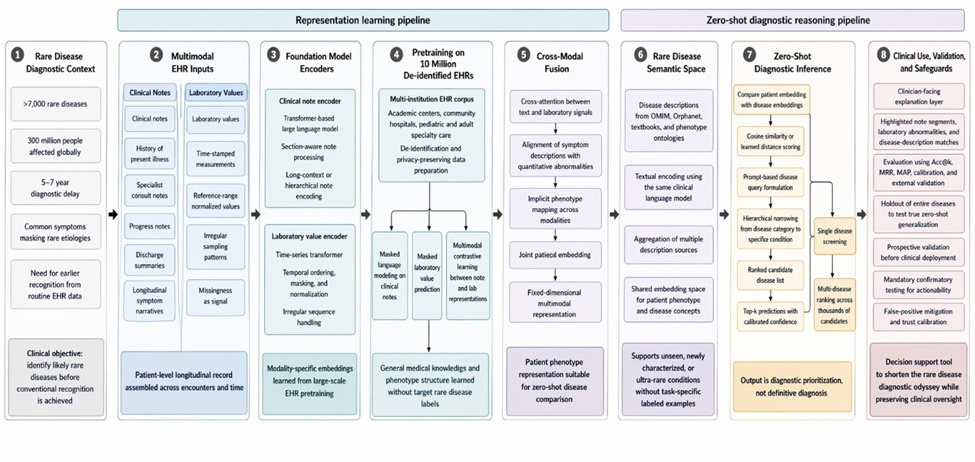
Figure 1. Federated multi-agent reinforcement learning architecture for privacy-preserving coordinated bed allocation and nurse staffing during pandemic surges.
Each unit's state space encompasses five categories of information: bed occupancy vector counting patients by acuity level (critical, high, moderate, low) and COVID status (positive, negative, unknown); nurse staffing vector indicating number of nurses on duty, nurses scheduled for next shift, and nurses on break; pending admission queue showing patients awaiting transfer into the unit with their acuity and waiting time; boarder count representing patients physically present but assigned to another unit; and infection control status indicating whether the unit is operating in cohort or mixed mode [1-3]. This state representation builds on forecasting models for hospital room and ward occupancy that use both static and dynamic information concurrently, as demonstrated by Sharma et al. [4].
Available actions per unit include accepting or rejecting an admission from the emergency department or another unit, transferring a patient out to a lower-acuity or higher-acuity unit, requesting a float nurse from the central staffing pool, discharging a patient who meets clinical criteria, converting a bed type (e.g., standard to ICU-capable), or implementing temporary hold on admissions when unsafe occupancy thresholds are reached [5-7]. These actions must respect unit-specific constraints such as maximum safe occupancy and minimum nurse-to-patient ratios established by regulatory bodies. Schäfer et al. demonstrated that machine learning forecasts for inpatient bed demand can inform action feasibility by predicting future availability [8].
The reward function combines unit-specific and hospital-wide components to align local decisions with global outcomes. Unit-specific rewards include patient outcomes measured as mortality avoidance and length of stay reduction, staff outcomes measured as overtime hours and schedule adherence, and throughput measured as admissions processed and discharge volume [9-11]. The hospital-wide reward component provides a shared signal based on overall mortality rate, ambulance diversion hours, and emergency department boarding time. Wood et al. established that machine-learning prediction of hospital length of stay enables accurate reward shaping for discharge actions, which are critical for bed turnover [12]. Kim demonstrated that enhancing patient flow requires reward functions that balance efficiency with quality metrics, avoiding perverse incentives for premature discharge [13].
Each hospital unit implements a local RL agent using either Proximal Policy Optimization or Soft Actor-Critic, selected for their stability in continuous action spaces and sample efficiency with on-policy data requirements. The agent trains exclusively on data generated by that unit—patient arrival patterns, bed turnover times, nurse availability—and never receives state information from other units during training or execution [14-16]. This local training paradigm ensures that sensitive patient identifiers, nurse work schedules, and unit-specific operational data remain within the unit's information boundary. Bekker et al. showed that combining machine learning with optimization for patient-bed assignment problems requires local policies that respect unit-specific constraints that centralized models cannot capture [17].
Every communication round (e.g., every 24 hours of simulated time), each local agent sends its policy network weight updates to a central aggregator rather than raw trajectory data. The aggregator computes a federated average using FedAvg or, if policy divergence between units is high, FedProx with a proximal term to constrain updates [18-20]. Differential privacy is applied at the aggregation step by clipping individual updates and adding calibrated noise, ensuring that even aggregated policy information cannot be reverse-engineered to recover unit-specific occupancy or staffing patterns. Hunstein et al. demonstrated that federated semi-supervised learning for medical imaging across multinational data succeeded only with privacy-preserving aggregation that prevented cross-site inference [21].
To prevent each unit from optimizing purely local rewards at the expense of hospital-wide outcomes, the framework injects a coordination signal into each local agent's observed reward. This signal comprises a weighted contribution of global metrics—hospital-wide mortality, mean emergency department boarding time, total ambulance diversion hours—scaled such that local policies remain primarily responsive to unit-level conditions but are penalized for actions that harm overall hospital performance [22-24]. The coordination weight is hyperparameter tuned to balance local autonomy against system-level coordination, recognizing that too much global signal collapses the framework to centralized optimization while too little produces selfish unit behavior. Tyler et al. reviewed AI use in emergency department triage and concluded that coordination mechanisms between emergency departments and inpatient units are essential for avoiding upstream congestion caused by downstream optimization [25]
Inter-unit communication in the federated framework is strictly limited to aggregated policy updates exchanged through the central aggregator, with no direct peer-to-peer transmission of state information, actions, or raw rewards between units. Da'Costa et al. reviewed AI-driven triage systems and emphasized that emergency departments and inpatient units often operate with incompatible information systems, making direct communication of bed requests and staffing availability unreliable during surges [26]. By routing all coordination through the federated aggregation step, the framework avoids requiring real-time interoperability between unit-level electronic health record systems or nurse scheduling platforms. El Arab and Al Moosa conducted an integrative systematic review on AI in emergency department triage and found that communication failures between emergency departments and admitting units are a primary cause of prolonged boarding time, which the federated architecture mitigates by learning coordinated policies offline rather than relying on real-time message passing [27].
The global objective function is formulated as a weighted sum of unit-specific expected returns plus a convex penalty for hospital-level congestion, structured such that the Bellman optimality equation for each local agent incorporates a term reflecting the marginal impact of its actions on other units. Seo et al. demonstrated that forecasting hospital room and ward occupancy using static and dynamic information concurrently requires capturing inter-unit dependencies because occupancy in one unit directly affects admission rates and transfer decisions in neighboring units [28]. The coordination mechanism achieves this by having each local agent learn an approximate model of how its admission acceptance or nurse request actions affect congestion in downstream units trained on federated aggregates of historical transfer outcomes. This approach builds on Prakash et al., who identified that forecasting ward-level bed requirements for pandemic planning must account for the bidirectional flow of patients between emergency departments, ICUs, and general wards, with coordination penalties reducing flow imbalances that cause some units to operate over capacity while others have empty beds [29].
A surge detection module monitors three categories of indicators at the hospital level: occupancy-based indicators (ICU occupancy percentage, medical-surgical bed availability, emergency department boarding count over 4 hours), staffing-based indicators (nurse sick call rate, unfilled shifts, agency nurse utilization), and community-based indicators (local test positivity rate, emergency department visit volume, regional hospital diversion status). Hunstein et al. modeled COVID-19 hospital admissions and occupancy in the Netherlands and demonstrated that surge onset can be detected from occupancy trajectories 48 to 72 hours before crisis thresholds are reached, providing a decision window for policy switching [21]. When two of three indicator categories exceed predefined thresholds for six consecutive hours, the module activates surge mode, triggering a reconfiguration of the federated aggregation process [22]. Renggli et al. created archetype-based simulation models for predicting hospital occupancy during COVID-19, showing that different surge archetypes (slow rise, rapid spike, plateau wave) require different response strategies that the detection module distinguishes using pattern recognition on the indicator time series [23].
Upon surge activation, the framework switches from normal-mode policies to pre-trained surge-mode policies through three mechanisms: reward reweighting giving higher priority to throughput and mortality reduction over length of day optimization; action space expansion allowing actions normally restricted during non-surge periods such as converting non-traditional spaces to patient care areas; and federated aggregation frequency increasing from daily to every shift to accelerate adaptation to rapidly changing conditions. Wang et al. developed a data-driven response to COVID-19 moving from predictions to prescriptions and found that static policies optimized for normal operations perform catastrophically during surges, whereas policies pre-trained on surge scenarios and deployed via mode-switching maintain acceptable performance [20]. Melman et al. demonstrated in COVID-19 scenario modeling for intensive care that mode-switching based on occupancy thresholds reduced capacity-dependent deaths compared to continuous reactive adjustment, supporting the discrete mode approach [13]. The surge-mode policies are trained offline using historical pandemic data and fine-tuned with on-policy federated learning during the initial 48 hours of each surge activation [24, 25].
Evaluation of the federated RL framework requires a discrete-event simulation environment that models multiple hospital units with realistic patient arrival processes, length-of-stay distributions stratified by acuity and COVID status, nurse shift schedules with sick leave and overtime dynamics, and transfer logistics between units with specified handoff delays. Baas et al. balanced scarce hospital resources during COVID-19 using discrete-event simulation that incorporated unit-specific capacity constraints, patient acuity trajectories, and infection control cohorting requirements, providing a validated template for the evaluation environment [14]. The simulation must generate both non-surge periods with baseline arrival rates and surge periods where arrival rates increase by factors of 2-5 and length of stay extends due to disease severity, as characterized by Johnson et al. in their real-time forecasting of COVID-19 bed occupancy [15]. Patient acuity progression through hospitalization—from emergency department presentation to ICU admission to step-down to discharge—is modeled using transition probabilities derived from the cohort studies underlying Wood et al. [12] and Bertsimas et al. [16].
Primary performance metrics include patient waiting time measured from emergency department arrival to bed placement, ICU transfer delay for patients meeting ICU criteria, nurse overtime hours per shift aggregated across all units, hospital-wide mortality rate risk-adjusted for arrival acuity mix, and ambulance diversion hours per week. Schäfer et al. forecast inpatient bed demand using machine learning and identified throughput time, left-without-being-seen rate, and diversion hours as the three metrics most responsive to bed allocation policies [8]. Melman et al. enhanced patient flow with machine learning and simulation-based resource scheduling, showing that evaluating bed allocation strategies requires tracking both patient-centered metrics (waiting time, length of stay) and staff-centered metrics (overtime, burnout proxies) because optimizing only patient metrics leads to unsustainable nurse workload [13]. Secondary metrics include federated communication cost in megabytes per round, policy divergence measured as parameter distance between unit models, and fairness of bed access across patient acuity levels [3-5].
The federated multi-agent framework is compared against three baseline approaches. First, centralized RL where a single agent observes the full joint state of all units and prescribes actions for every unit, representing the performance upper bound but violating privacy and communication assumptions [1, 2]. Second, heuristic rules including first-available-bed assignment within the same acuity class and fixed nurse-to-patient ratios, representing current practice in many hospitals [6, 7]. Third, historical human decisions extracted from electronic health record time-stamped actions during the pandemic period, providing a real-world performance reference [8, 9]. Bekker et al. combined machine learning and optimization for patient-bed assignment and demonstrated that comparisons against both optimal centralized solutions and actual human decisions are necessary to establish whether a distributed approach closes the gap between theoretical optimality and practical feasibility [17]. Evaluation uses 10 independent simulation replications with different random seeds for each surge scenario to ensure statistical significance, with performance differences assessed using paired t-tests at α=0.05 [18, 19].
Table 2 consolidates the framework’s analytical structure by linking unit-level observations, feasible actions, coordination mechanisms, surge triggers, and evaluation targets into a single operational logic that extends beyond narrative description.
Table 2. Analytical structure of the proposed federated surge-response framework: state variables, action classes, coordination logic, and evaluation metrics across hospital units
Framework Layer | Core Element | Operational Variables / Mechanisms | Primary Decision Logic | Expected System Effect |
Local state representation | Bed occupancy state | Patients stratified by acuity, COVID status, and effective bed availability under cohorting constraints | Detect whether current capacity can safely absorb incoming demand | Reduces unsafe admissions and improves acuity matching |
Local state representation | Nurse staffing state | On-duty nurses, next-shift staffing, breaks, skill mix, float availability | Estimate whether workload can be safely covered under projected patient load | Prevents understaffed occupancy expansion and reduces burnout risk |
Local state representation | Admission and transfer queues | Pending admissions, waiting time, boarders, downstream transfer requests | Prioritize actions under queue pressure and transfer bottlenecks | Reduces boarding time and inter-unit congestion |
Local state representation | Infection-control status | Cohort mode, mixed mode, communicable disease constraints, isolation requirements | Adjust effective capacity and transfer feasibility under infection-control conditions | Prevents nominal bed counts from being misinterpreted as usable capacity |
Unit action layer | Admission control actions | Accept, reject, defer, or hold incoming admissions | Balance immediate throughput against local safety thresholds | Limits overload propagation into high-acuity units |
Unit action layer | Transfer actions | Escalate to ICU, step down, move to ward, discharge-lounge routing | Improve placement fit while releasing constrained beds | Enhances patient flow continuity across units |
Unit action layer | Staffing actions | Request float nurse, redeploy staff, adjust assignment intensity | Match staffing resources to acuity-weighted workload | Improves staffing resilience under surge volatility |
Unit action layer | Capacity conversion actions | Convert bed type, activate temporary care space, surge-capable reconfiguration | Expand feasible treatment capacity when demand spikes | Increases operational elasticity during crisis periods |
Reward architecture | Local reward component | Throughput, mortality avoidance, length-of-stay reduction, schedule adherence, overtime control | Encourage unit-level efficiency without ignoring staff and patient outcomes | Produces clinically grounded local optimization |
Reward architecture | Shared hospital-wide reward | ED boarding time, ambulance diversion, total mortality risk, congestion penalties | Align each unit’s policy with hospital-wide system stability | Prevents local optimization from worsening downstream bottlenecks |
Federated learning layer | Privacy-preserving aggregation | Parameter updates only, FedAvg/FedProx, differential privacy noise, clipped gradients | Share learned policy structure without transferring raw clinical or staffing data | Preserves privacy while diffusing useful learning across units |
Coordination layer | Inter-unit alignment without raw data exchange | Aggregated policy learning plus shared reward shaping | Learn indirectly coordinated behavior under information asymmetry | Enables hospital-wide coherence without direct peer-to-peer state sharing |
Surge adaptation layer | Surge detection | Occupancy signals, staffing deterioration, community surge indicators | Activate crisis regime when sustained thresholds are exceeded | Improves timing of escalation before catastrophic overload |
Surge adaptation layer | Mode switching | Reward reweighting, action space expansion, faster federated rounds | Replace normal-mode policy logic with crisis-appropriate behavior | Improves mortality-throughput balance under surge conditions |
Evaluation layer | Simulation environment | Multi-unit discrete-event model, patient arrivals, length-of-stay distributions, transfer delays, staffing schedules | Stress-test the framework across non-surge and surge scenarios | Provides high-fidelity pre-deployment validation |
Evaluation layer | Comparative baselines | Centralized RL, heuristic rules, historical human decisions | Benchmark distributed privacy-preserving performance against idealized and real-world comparators | Clarifies trade-offs between feasibility, privacy, and operational effectiveness |
Evaluation layer | Primary outcome metrics | Waiting time, ICU transfer delay, mortality, diversion hours, overtime burden | Assess whether coordination improves both patient flow and workforce sustainability | Determines whether the model is operationally superior rather than only computationally elegant |
The simulation-to-reality gap presents a substantial limitation, as the framework assumes that the simulation environment captures all relevant dynamics of real hospital operations including patient deterioration patterns, nurse cognitive load under surge stress, and infection transmission risks that affect bed cohorting decisions. Communication failure during surges—network outages, electronic health record downtime, pager system saturation—could prevent federated aggregation rounds from completing, causing units to operate with outdated policies that do not reflect recent surge progression [20, 21]. The cold-start problem for new units added to the federation (e.g., a newly opened surge ward) requires accumulating sufficient local data before policy updates become reliable, which may take days during a rapidly evolving surge where immediate coordination is needed [22, 23]. Hunstein and Fiebig reported that federated semi-supervised learning for COVID-19 region segmentation across multinational data experienced cold-start difficulties for sites with few positive cases, requiring pre-training on synthetic data before joining the federation [21].
Clinical acceptance of algorithmic bed allocation and nurse staffing recommendations remains uncertain, as nurses and physicians may reject AI-suggested assignments that conflict with their clinical judgment or established workflow patterns. Burdett et al. qualitatively studied integrating nurse preferences into AI-based scheduling systems and found that nurses resisted schedules that did not accommodate shift length preferences, continuity of care relationships, or unit-specific teamwork arrangements, regardless of the algorithm's claimed optimality [19]. Liability for algorithmic decisions presents a further barrier: if a patient experiences an adverse outcome following an RL-recommended bed transfer or staffing adjustment, it is unclear whether responsibility rests with the clinician who implemented the recommendation, the hospital that deployed the system, or the algorithm developer [24, 25]. Implementation in stressed environments during actual surge conditions—when staff are already overwhelmed, electronic health record documentation is incomplete, and communication channels are degraded—may reduce the framework's operational performance below levels observed in simulation evaluations [26-28]. Bekker et al. noted that AI-based staff management systems face adoption resistance unless they are integrated into existing nursing workflows rather than requiring additional data entry steps, which would need to be addressed in any prospective implementation of this framework [17].
This paper has presented a federated multi-agent reinforcement learning framework for coordinated bed allocation and nurse staffing during pandemic surges. The framework addresses the fundamental problem that centralized optimization fails under surge conditions because each hospital unit possesses local information—real-time patient acuity, staff availability, infection control status—that cannot be shared due to privacy regulations and communication latency. By allowing each unit to train its own local RL agent on local data and share only policy updates with a central aggregator, the framework enables distributed decision-making that preserves sensitive information while achieving coordination through a shared reward component.
The key advantages of this approach over existing methods include privacy preservation through local data retention, surge adaptation via mode-switching policies pre-trained on pandemic scenarios, and avoidance of single points of failure through distributed execution. Unlike heuristic rule-based systems that cannot adapt to changing surge conditions, the federated RL framework continuously learns from each unit's experience and propagates improvements across the hospital federation. Unlike centralized optimization that requires complete state information, the framework operates under realistic information asymmetry constraints, making it deployable in real hospital information technology environments where data sharing is restricted.
Several limitations must be addressed before clinical deployment. The framework requires validation in high-fidelity simulation environments that capture patient acuity dynamics, nurse workload constraints, and infection control cohorting requirements beyond current models. Clinical acceptance of algorithmic recommendations depends on integrating nurse and physician preferences into the action space and reward function, as demonstrated in qualitative studies of AI scheduling systems. Implementation challenges during actual surge conditions—communication failures, incomplete documentation, staff cognitive overload—may reduce operational performance below simulation estimates and require extensive prospective testing during disaster drills.
Future work should implement the framework on open-source hospital operations simulation platforms such as SimPy-based discrete-event models, conduct retrospective validation using electronic health record data from the COVID-19 pandemic to compare learned policies against historical decisions, and design prospective pilot studies during scheduled surge drills at academic medical centers. The framework provides a pathway to resilient, coordinated pandemic surge response that respects both privacy constraints and operational realities, offering an alternative to centralized command-and-control models that collapsed under information overload during COVID-19.
None
None
None
None
Open Access The author(s) retain copyright. This article is licensed under the Creative Commons Attribution-NonCommercial-ShareAlike 4.0 International License. It may be shared and adapted for non-commercial purposes with appropriate attribution, an indication of changes, and distribution of adaptations under the same license. Third-party material may be subject to separate terms identified in its credit line. View the license at https://creativecommons.org/licenses/by-nc-sa/4.0/.
 Clinical Intelligence Research Press